Sealing your interlock can significantly enhance the appearance of the pavers while helping protect the surface from stains, moisture, and everyday wear. However, timing is an important factor when it comes to achieving the best results. Applying sealer too early or under the wrong conditions can lead to poor performance, so it’s important to ensure the surface is properly prepared before sealing.
For newly installed interlock, it is generally recommended to wait at least 60–90 days before sealing. This allows the pavers to fully settle and gives time for any natural efflorescence (a white mineral residue that can appear on new concrete pavers) to work its way to the surface. Sealing too soon can trap moisture or efflorescence beneath the sealer, which may affect the appearance of the surface.
For existing interlock surfaces, sealing is best done after the pavers have been properly cleaned and the joint sand has been refreshed if necessary. Over time, polymeric sand can deteriorate or wash out, which weakens the interlock system and allows moisture to penetrate beneath the pavers. Replacing the polymeric sand and ensuring the surface is clean and completely dry before sealing helps the sealer bond properly and perform as intended.
Weather conditions also play a key role. Sealing should be done during dry, moderate temperatures, typically in the spring, summer, or early fall, when there is little chance of rain within the curing window. Ideally, temperatures should be above 10°C, as warmer conditions help the sealer cure properly and bond effectively to the surface.
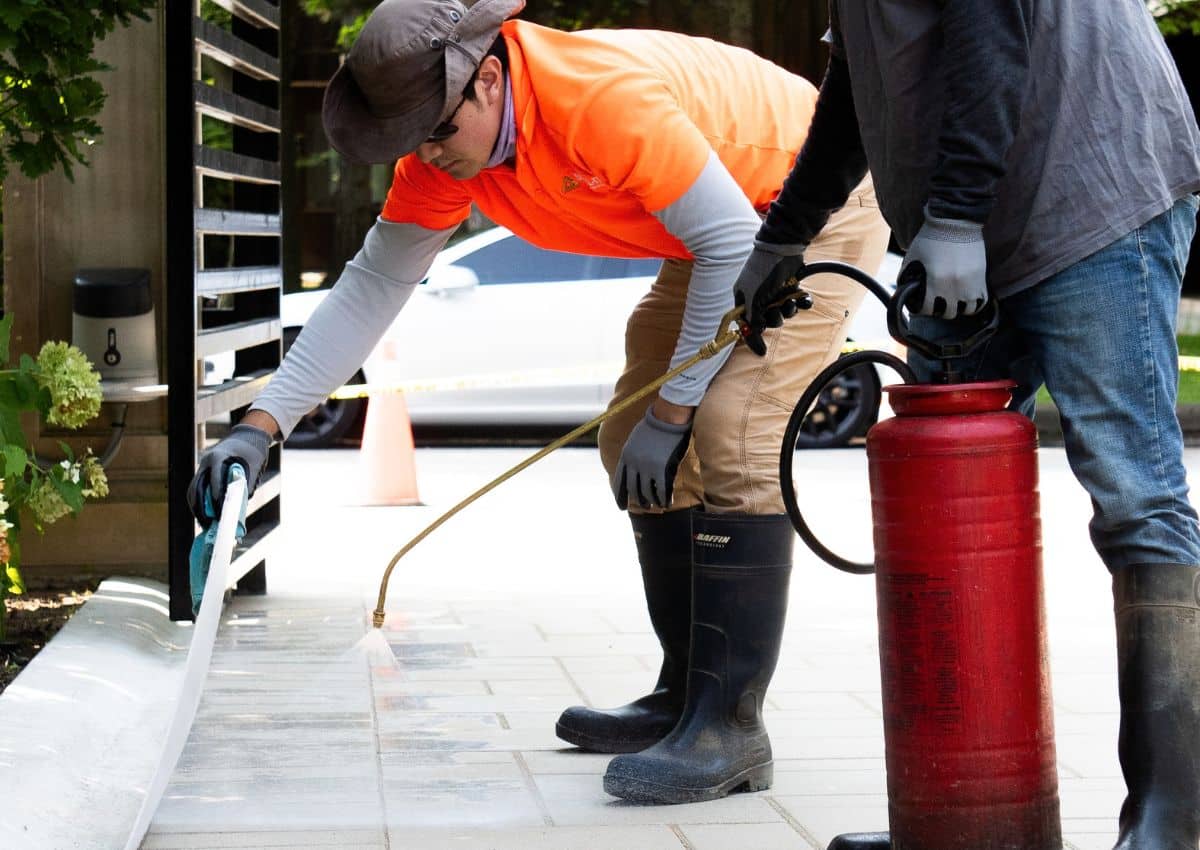
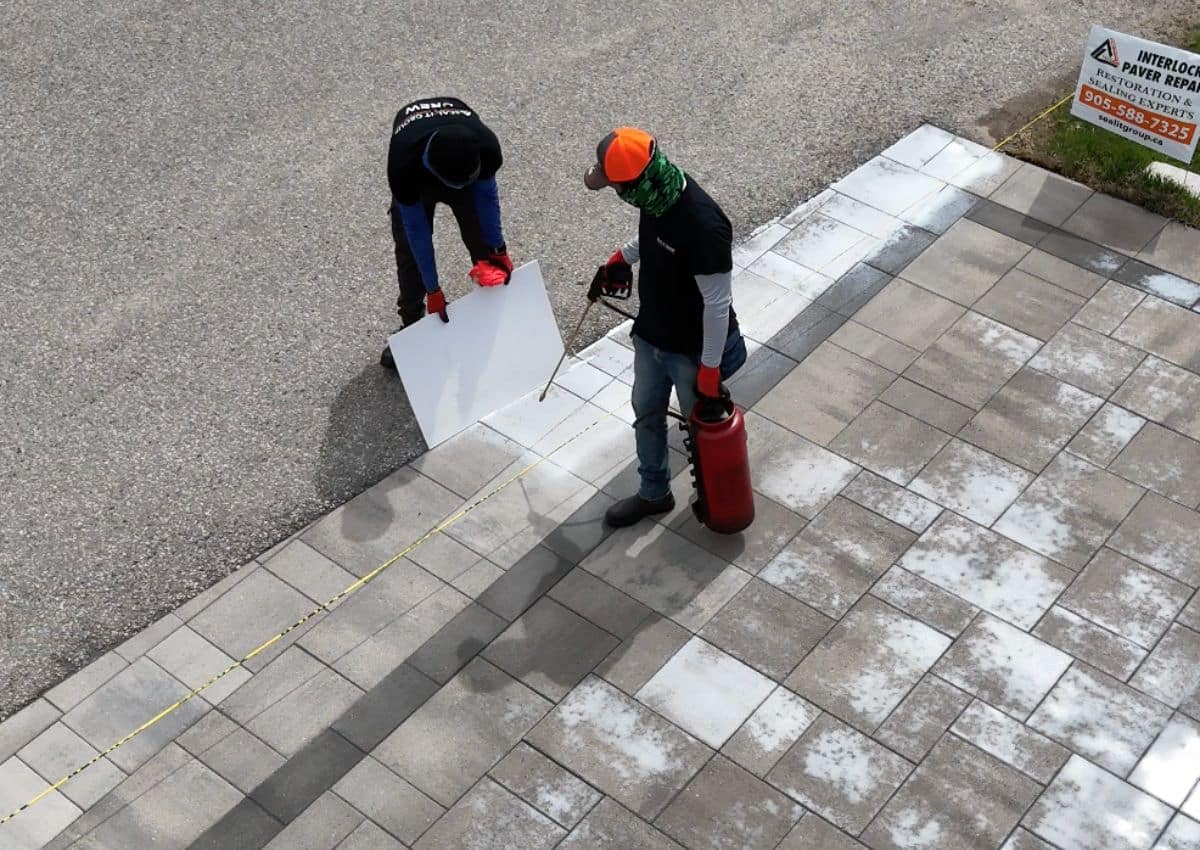
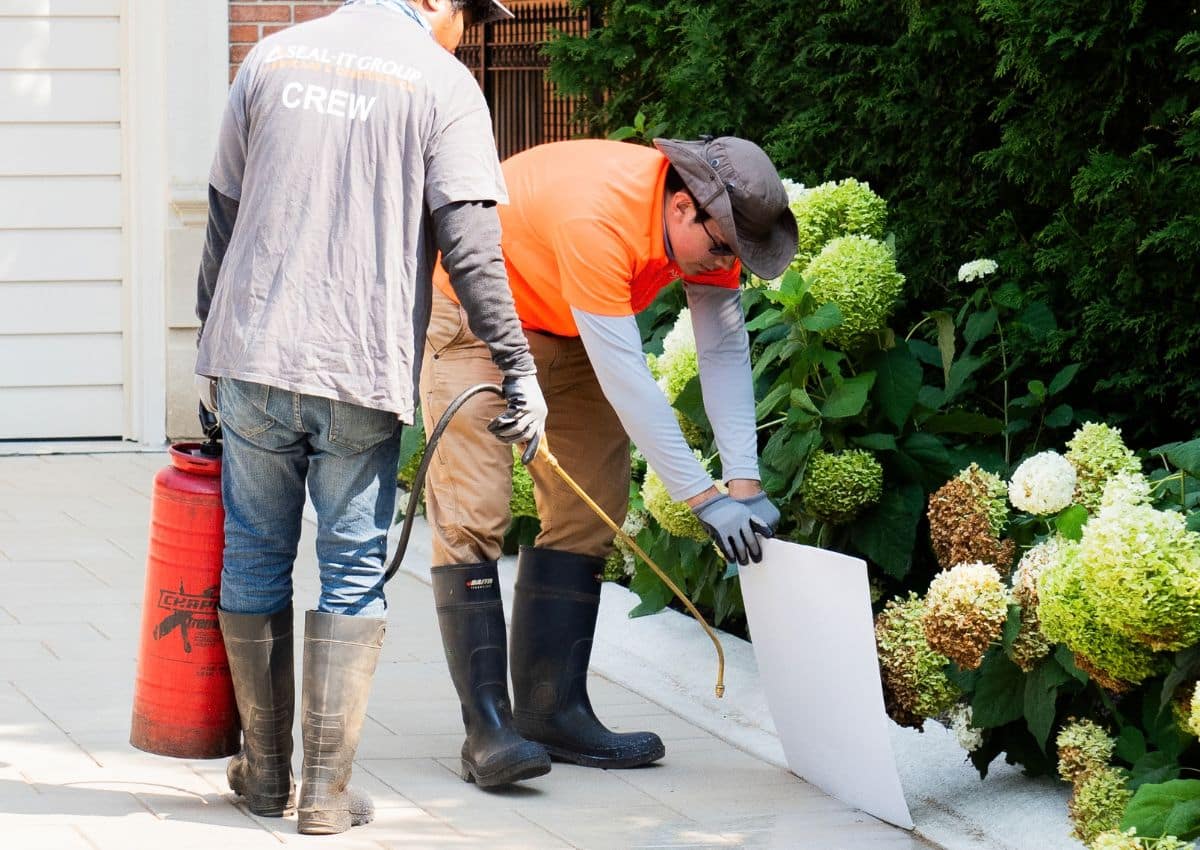
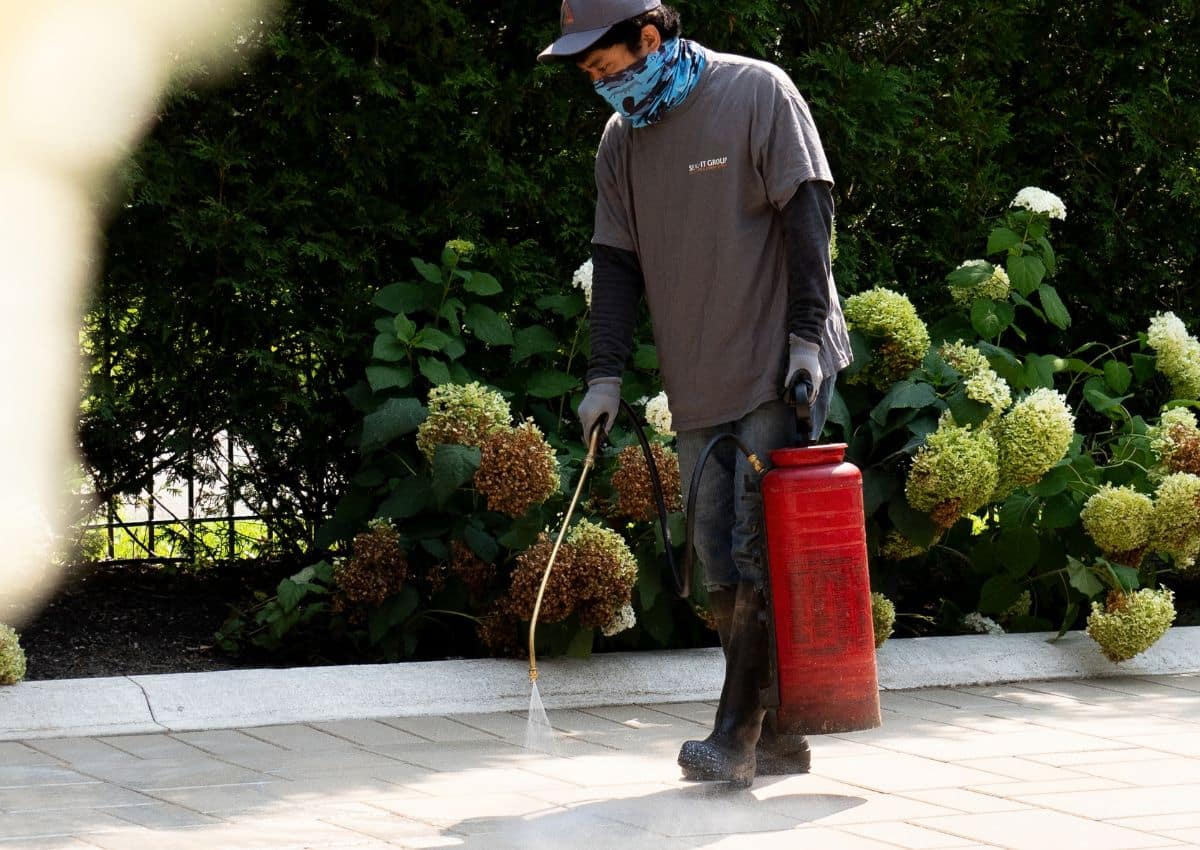
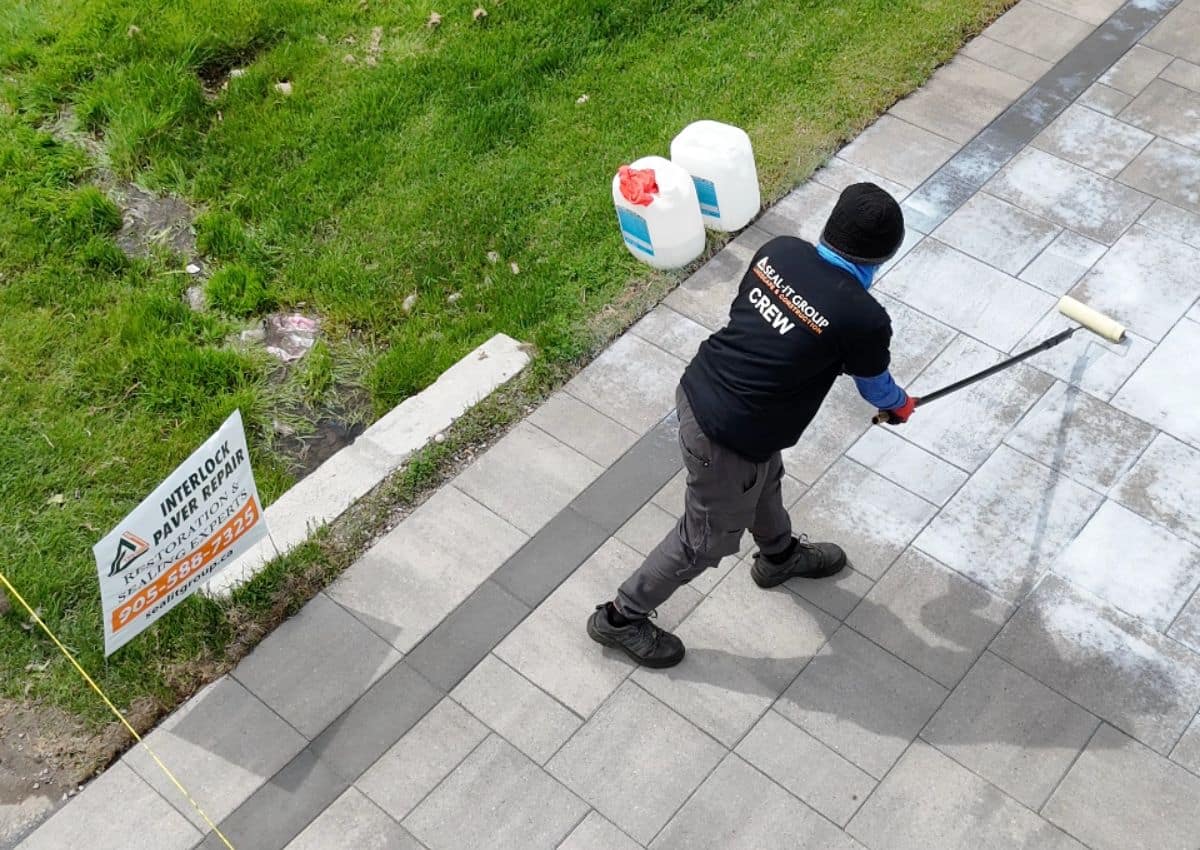
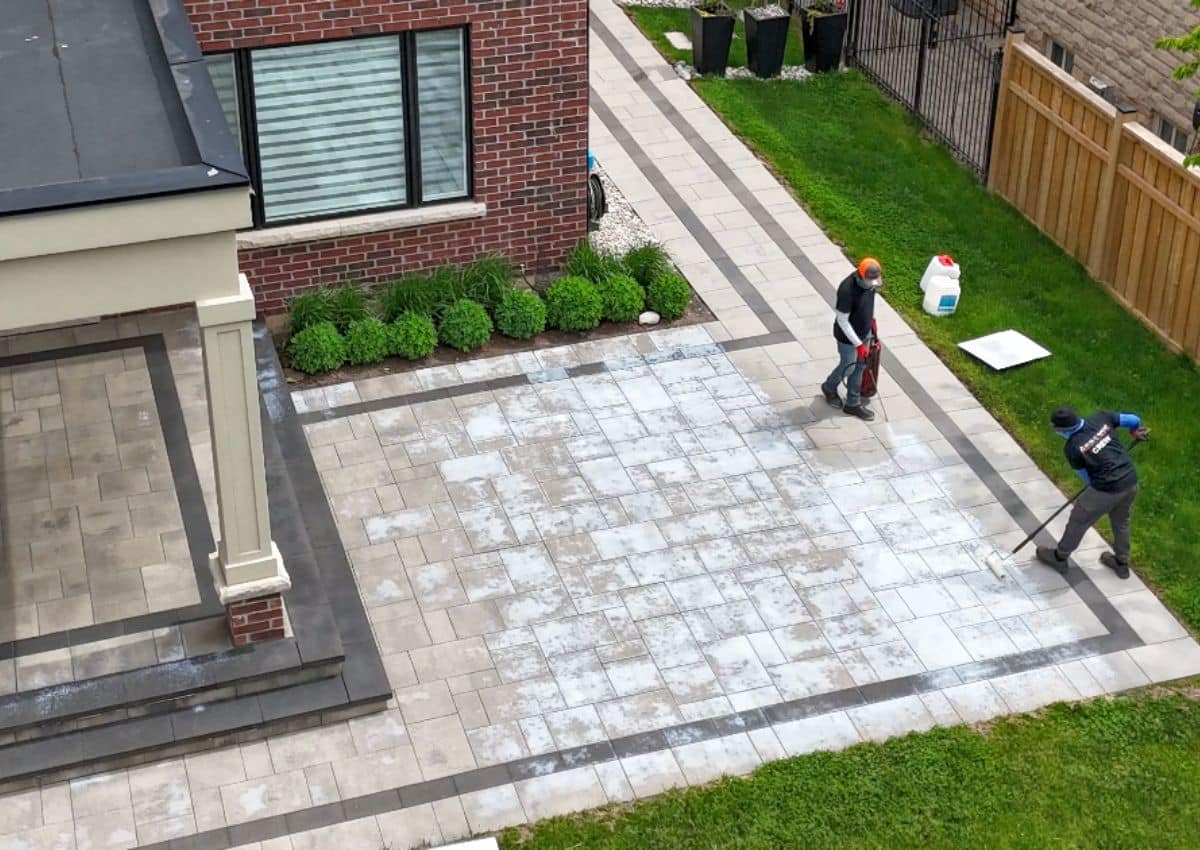
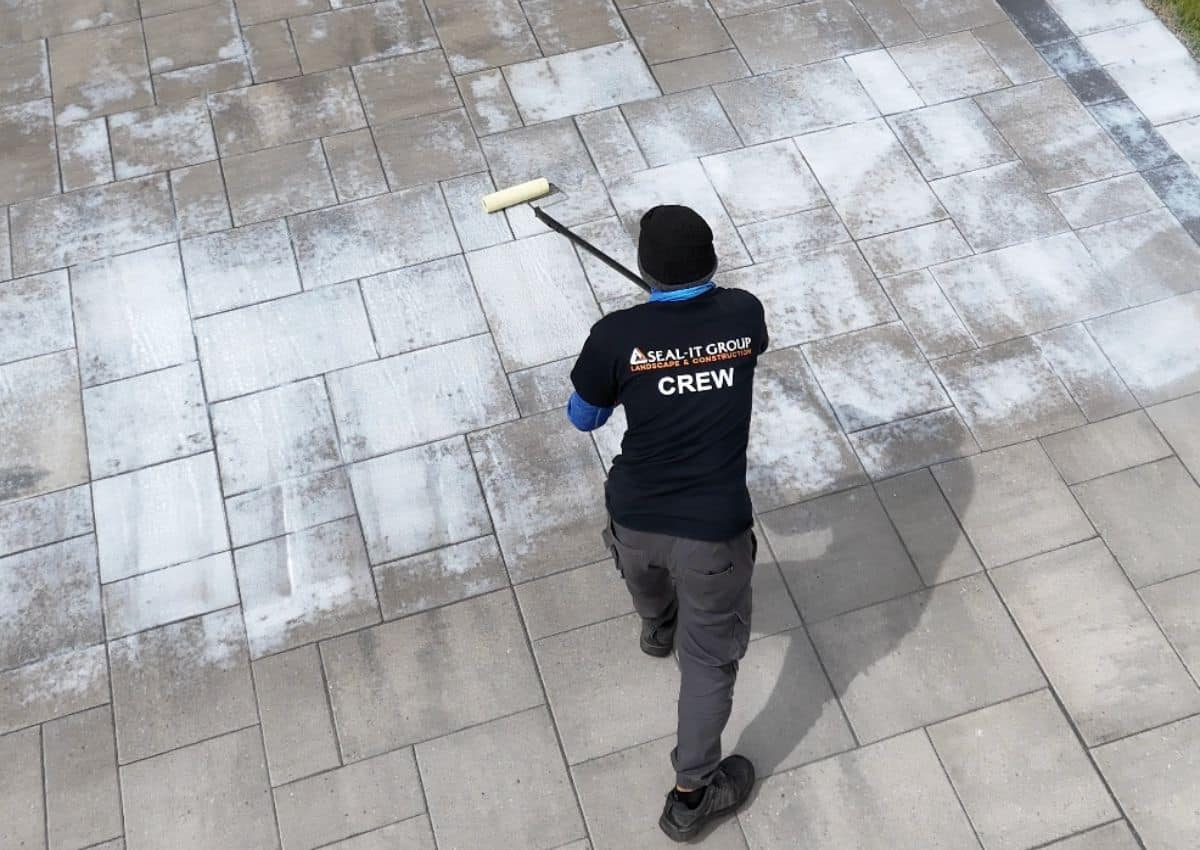
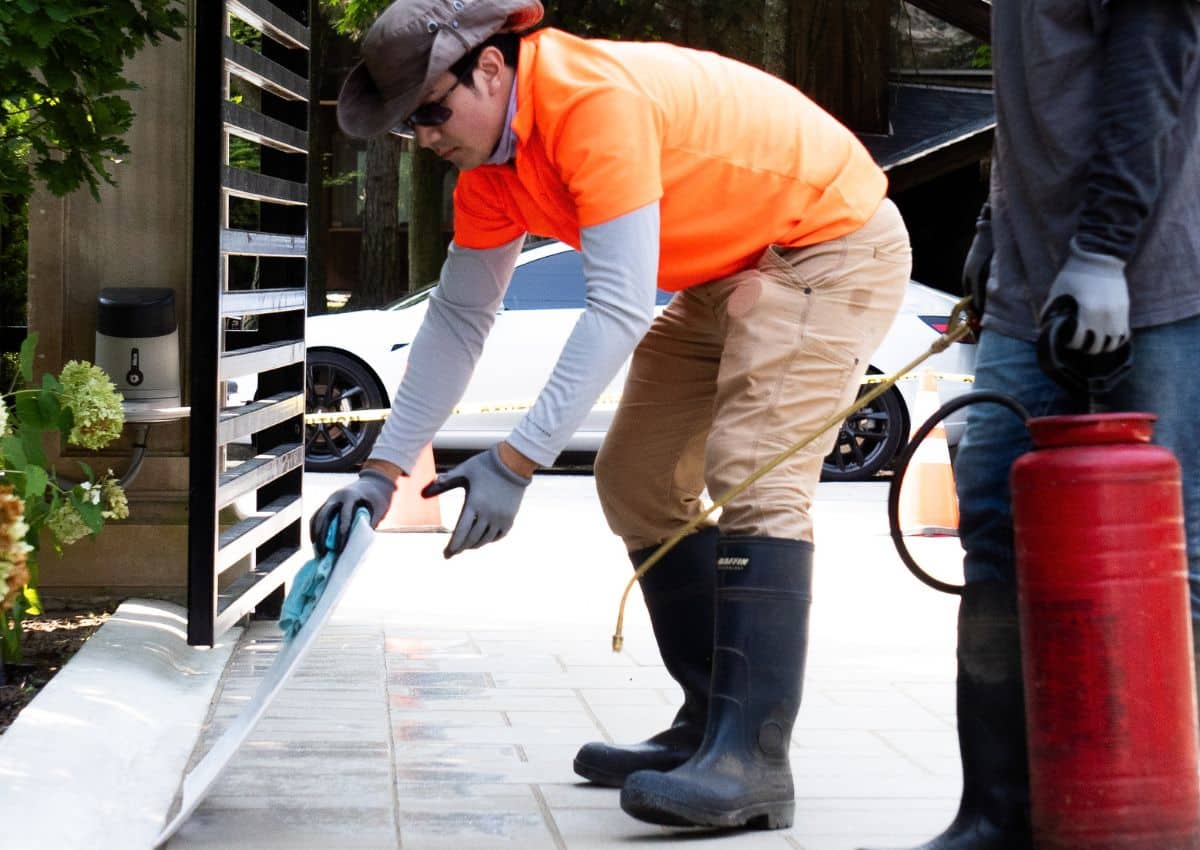
When applied at the right time and under the proper conditions, sealing can help enhance the color of the pavers, protect against staining, and extend the life of your interlock surface. Working with experienced professionals such as Seal-It Group ensures the surface is properly prepared, the correct products are used, and the sealer is applied at the optimal time for long-lasting results.