What Sealing Actually Does (and What It Doesn’t Do)
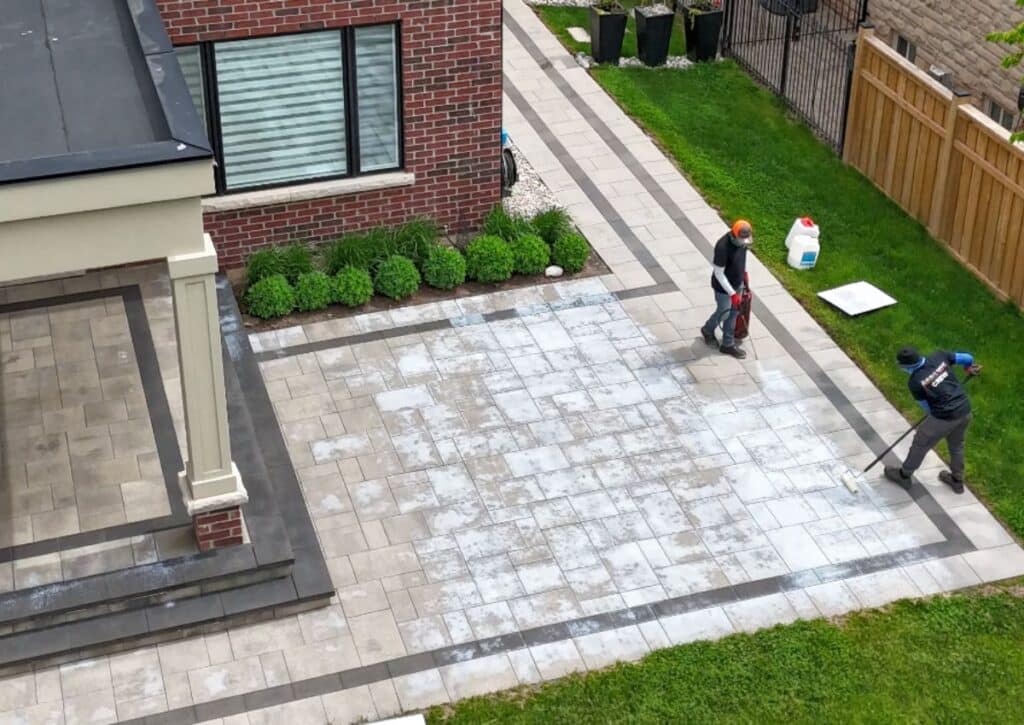
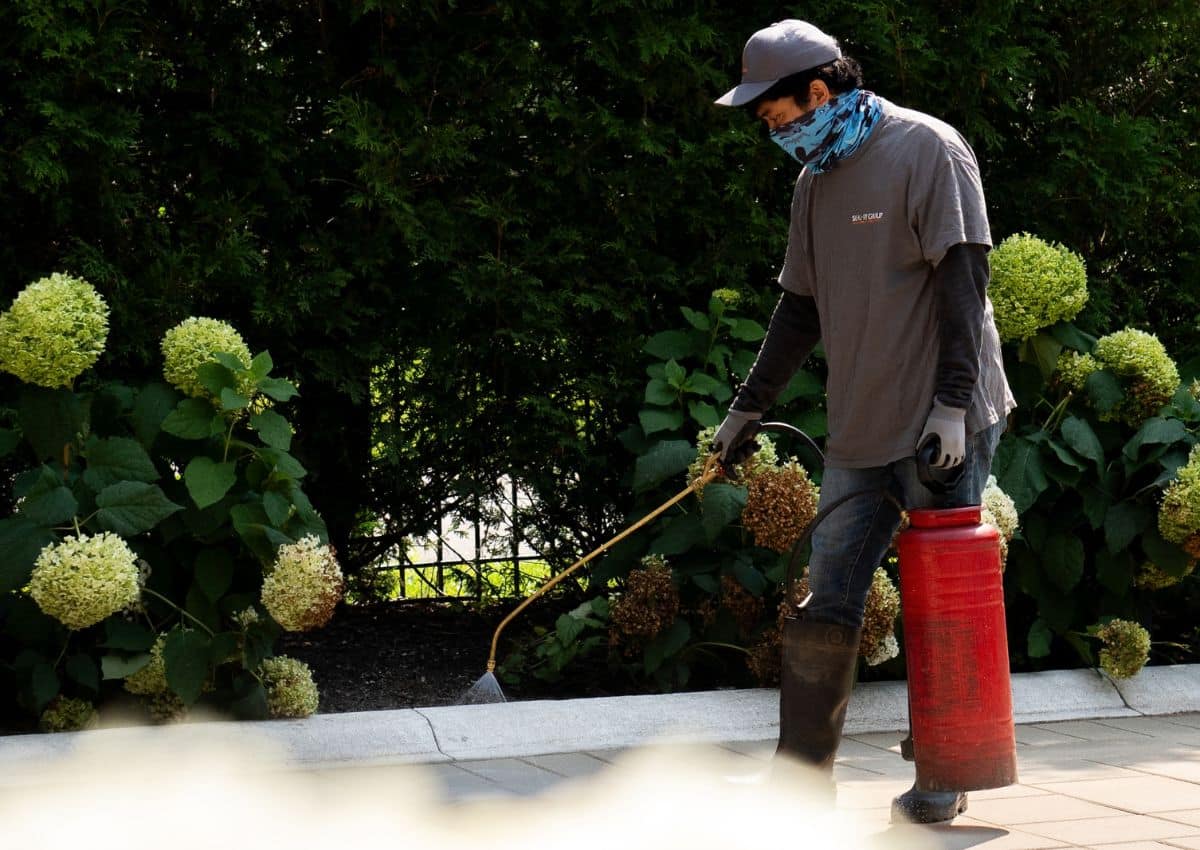
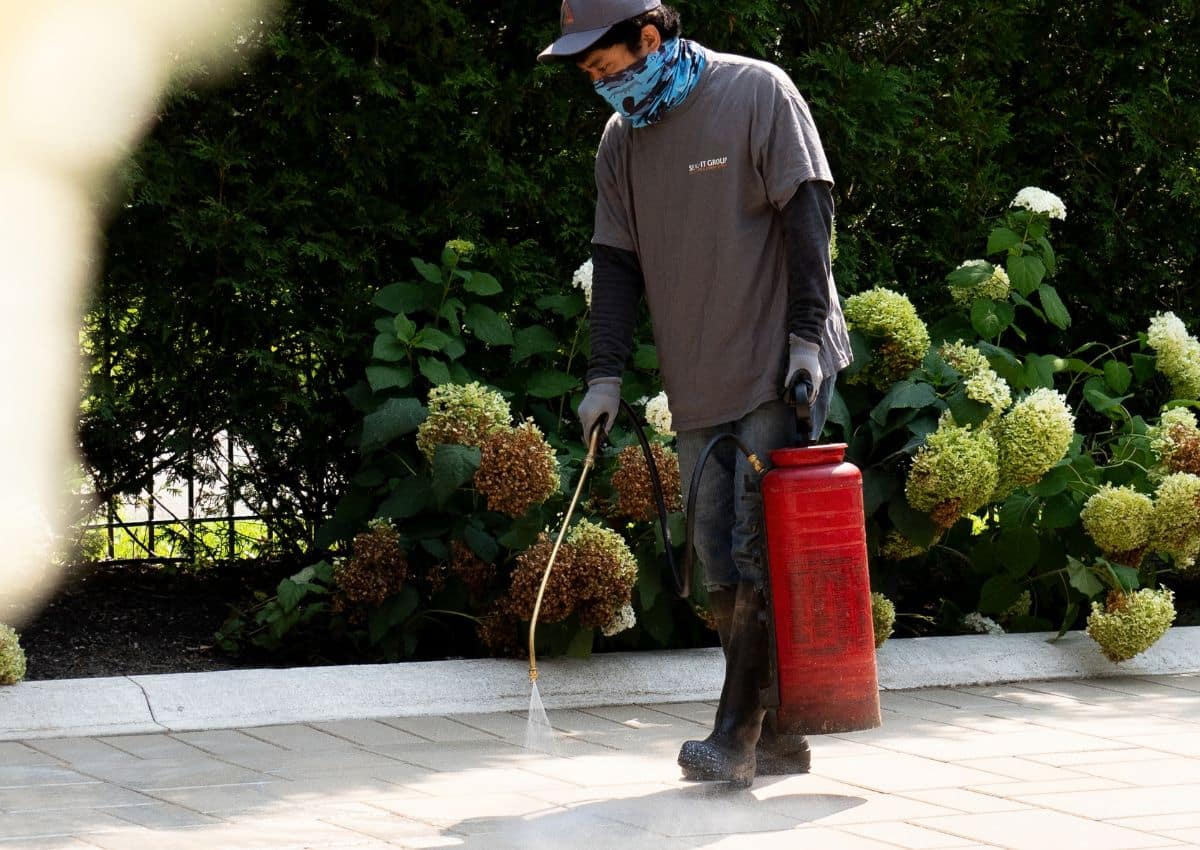
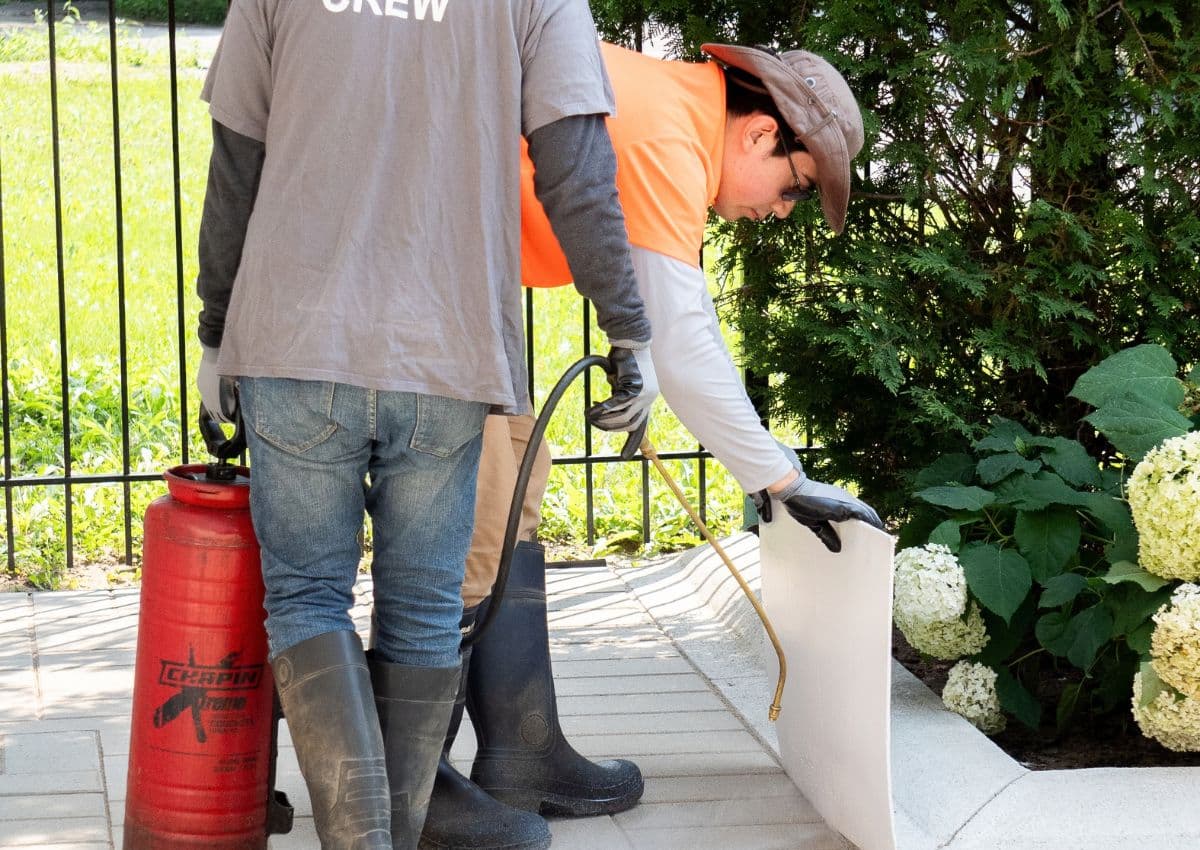
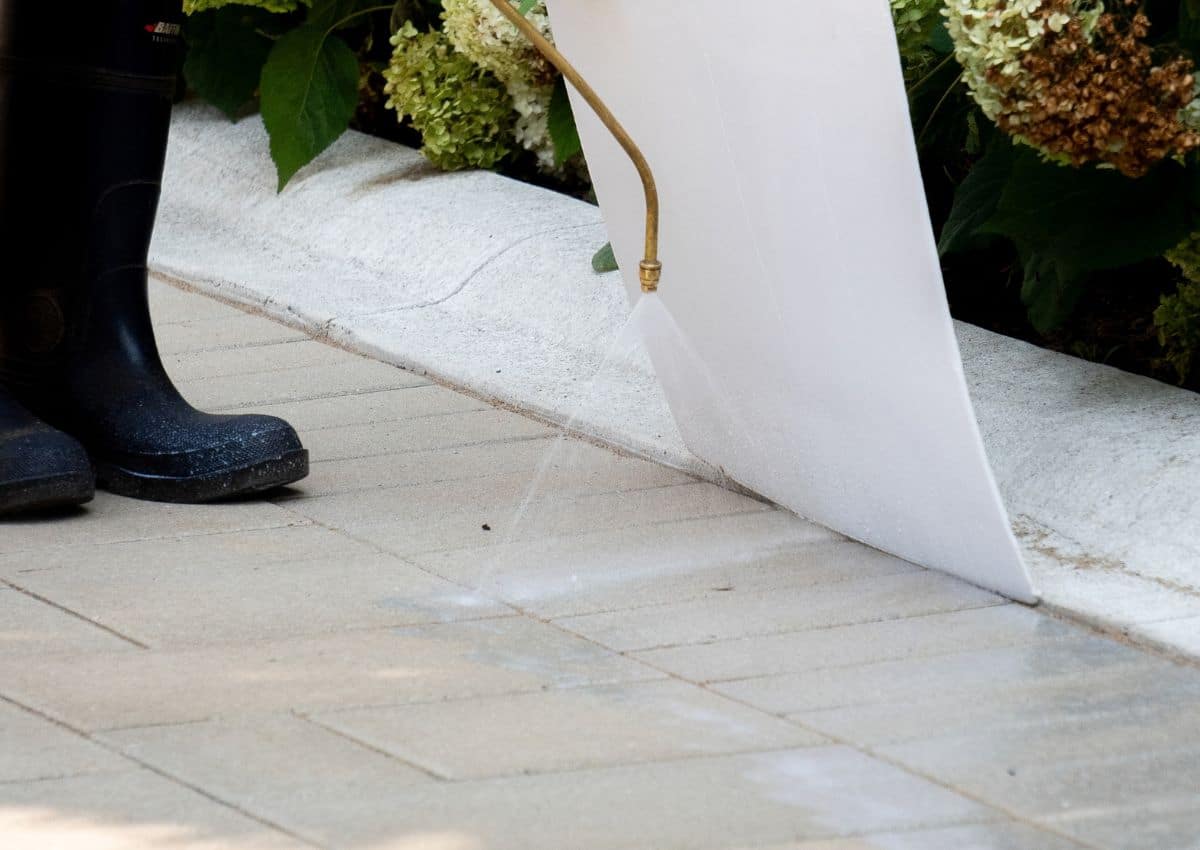
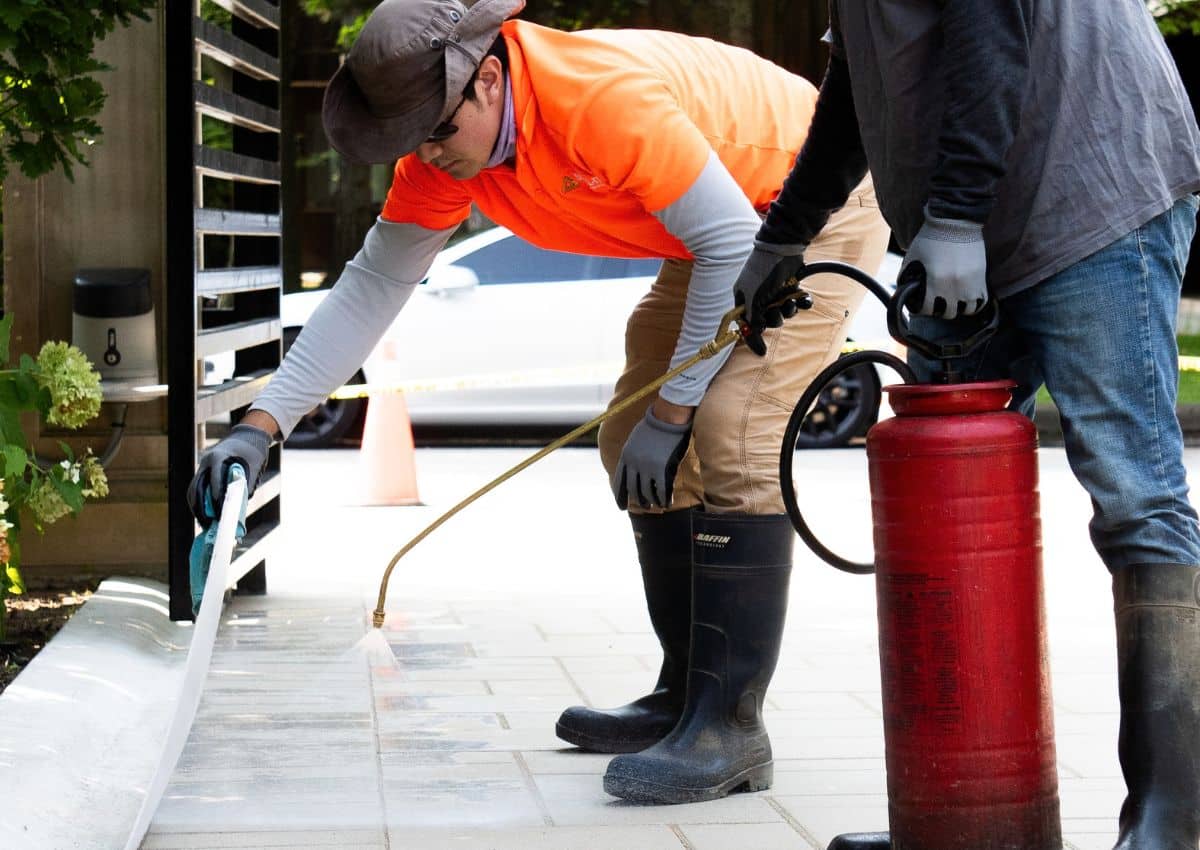
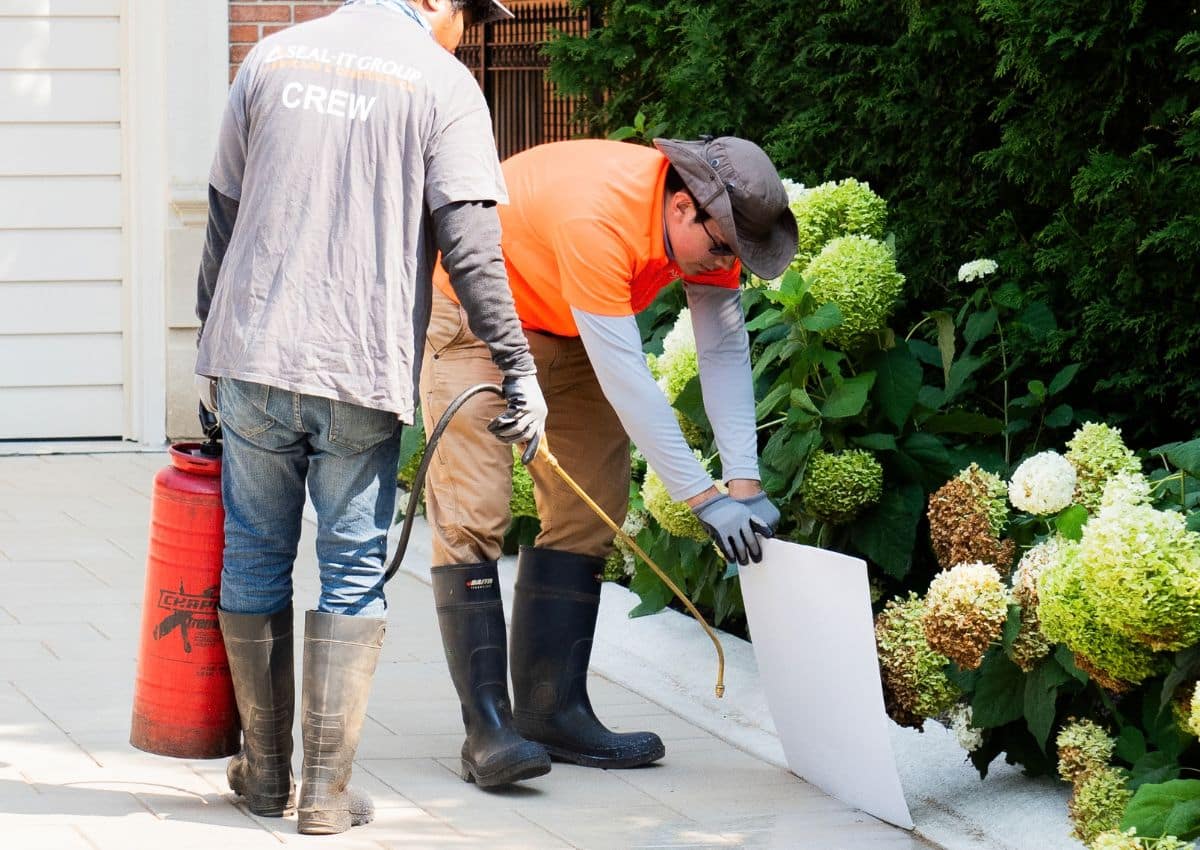
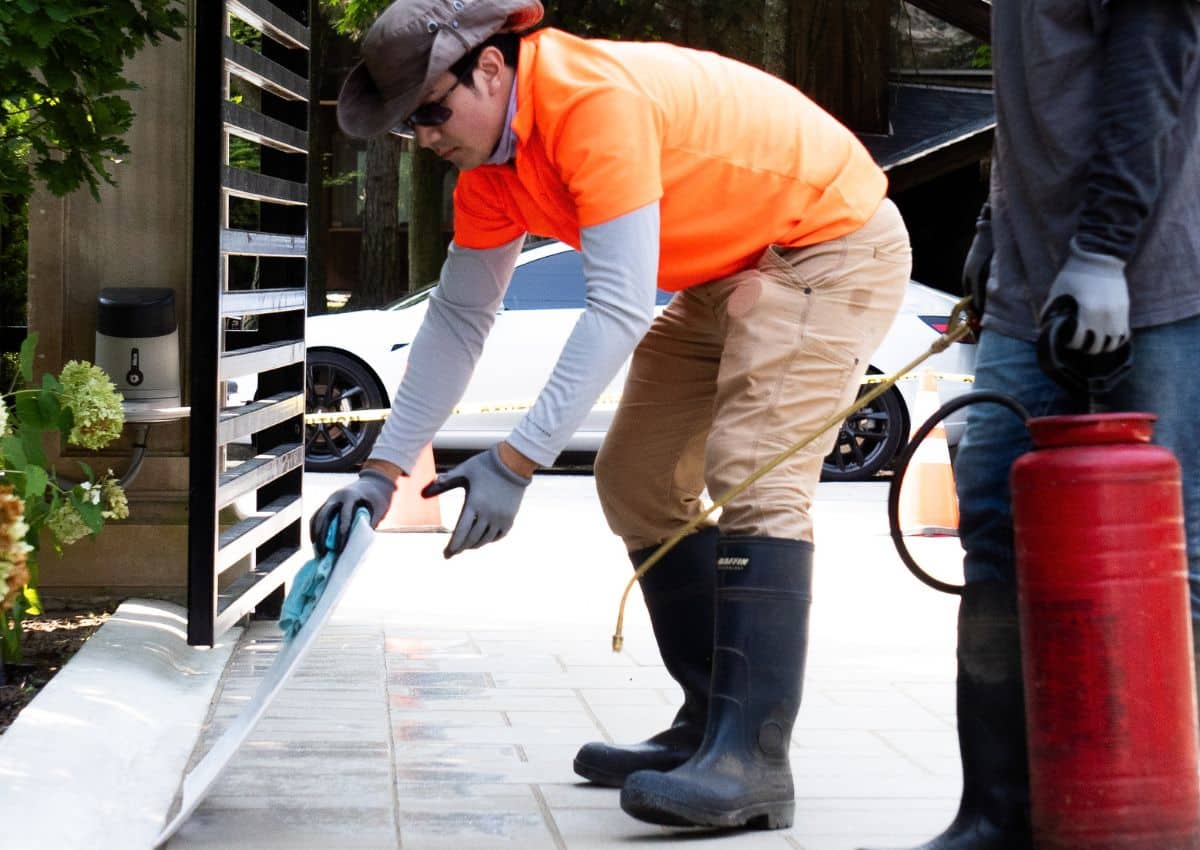
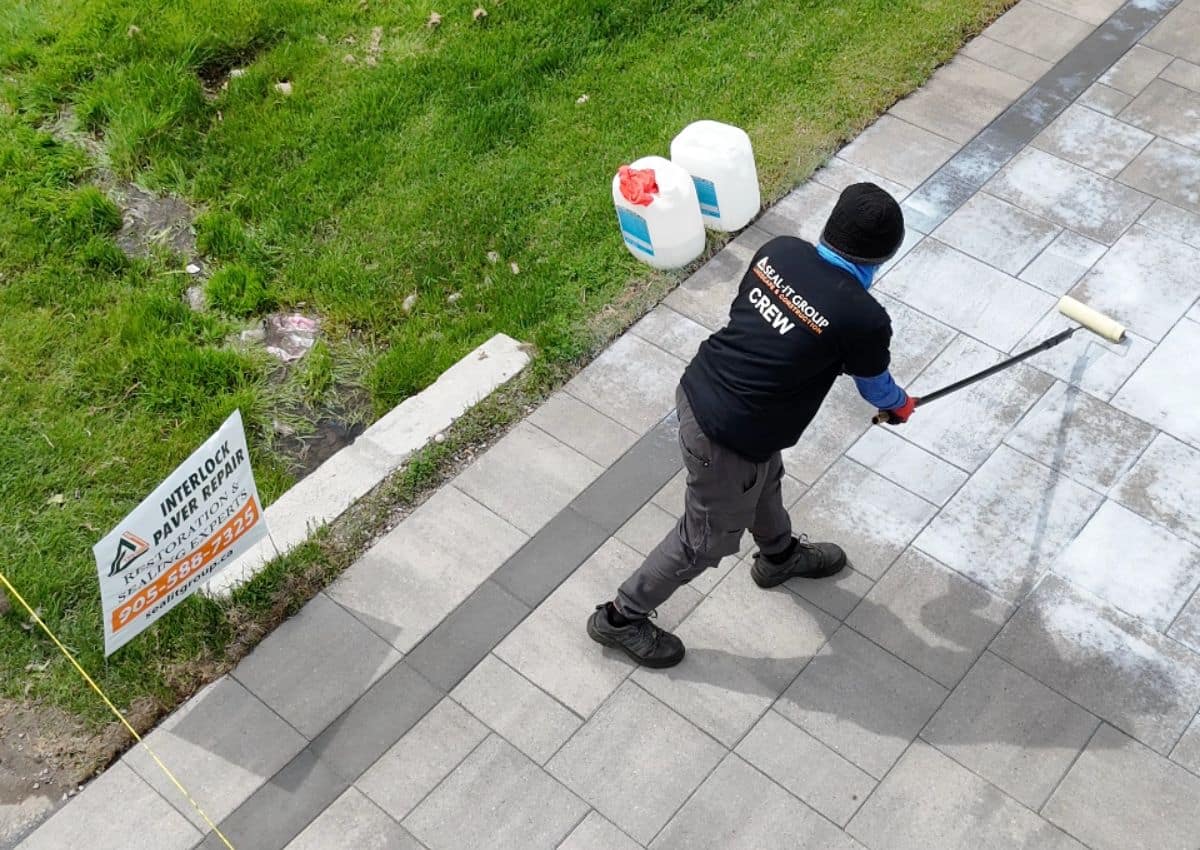
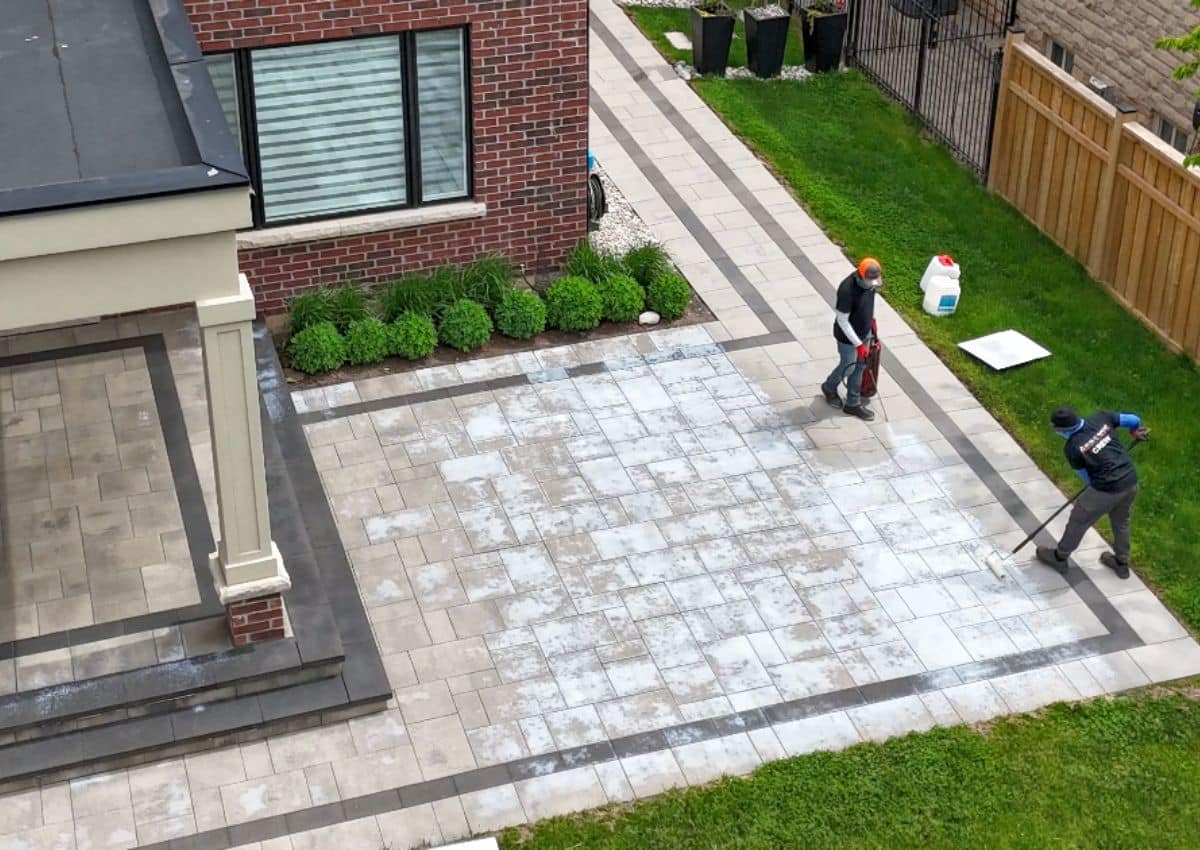
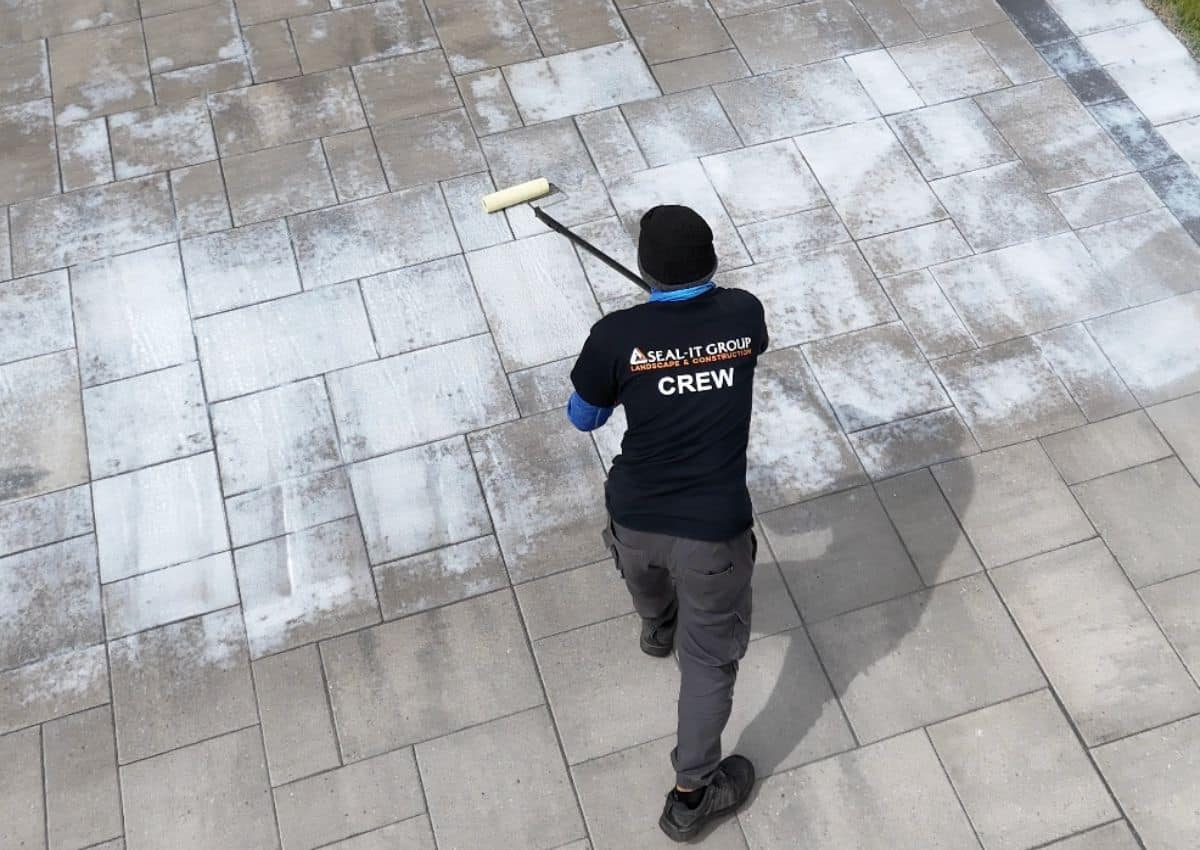
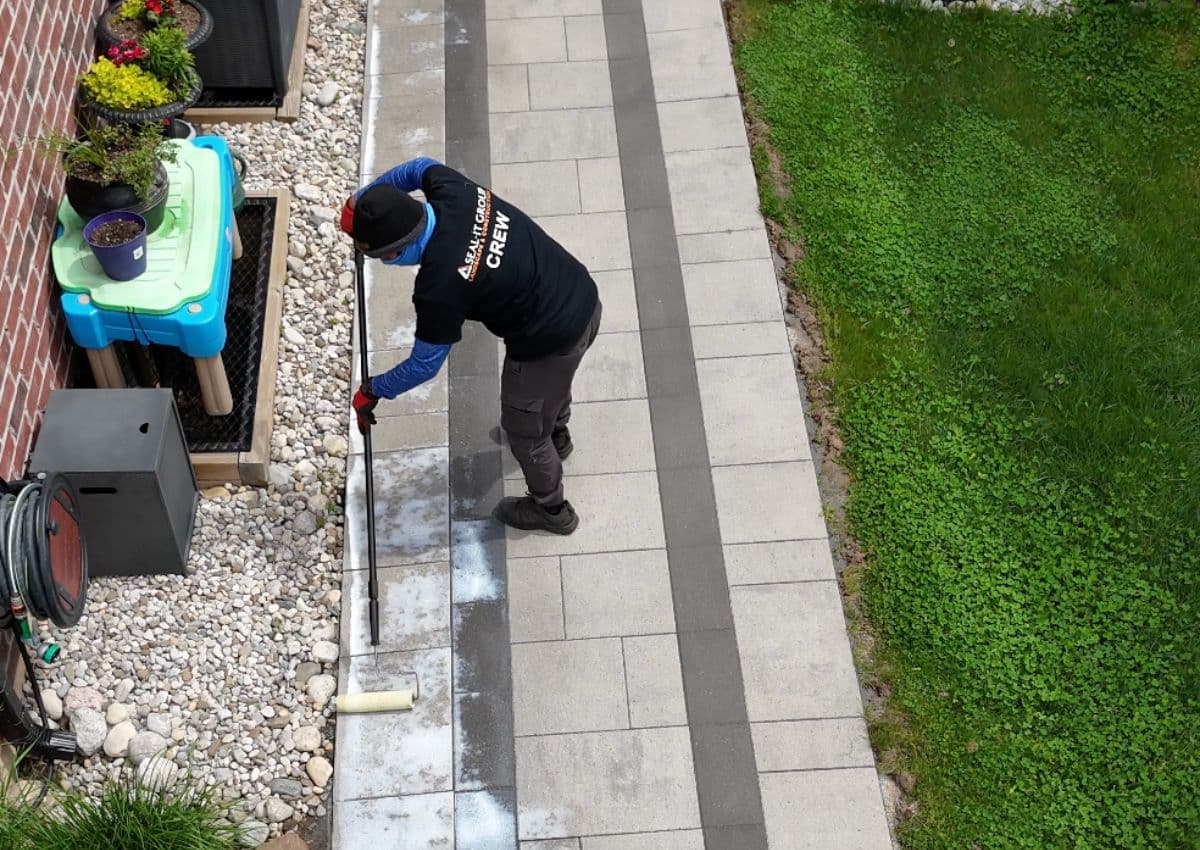
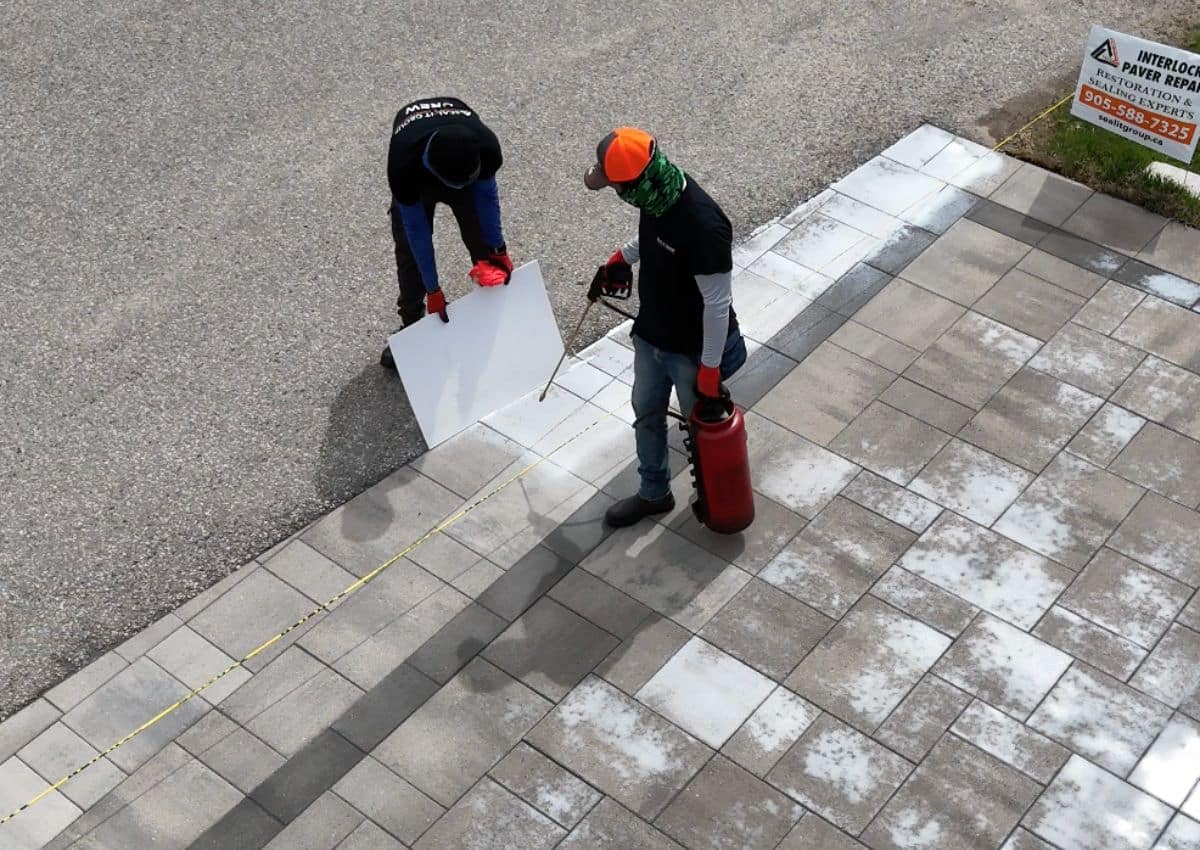
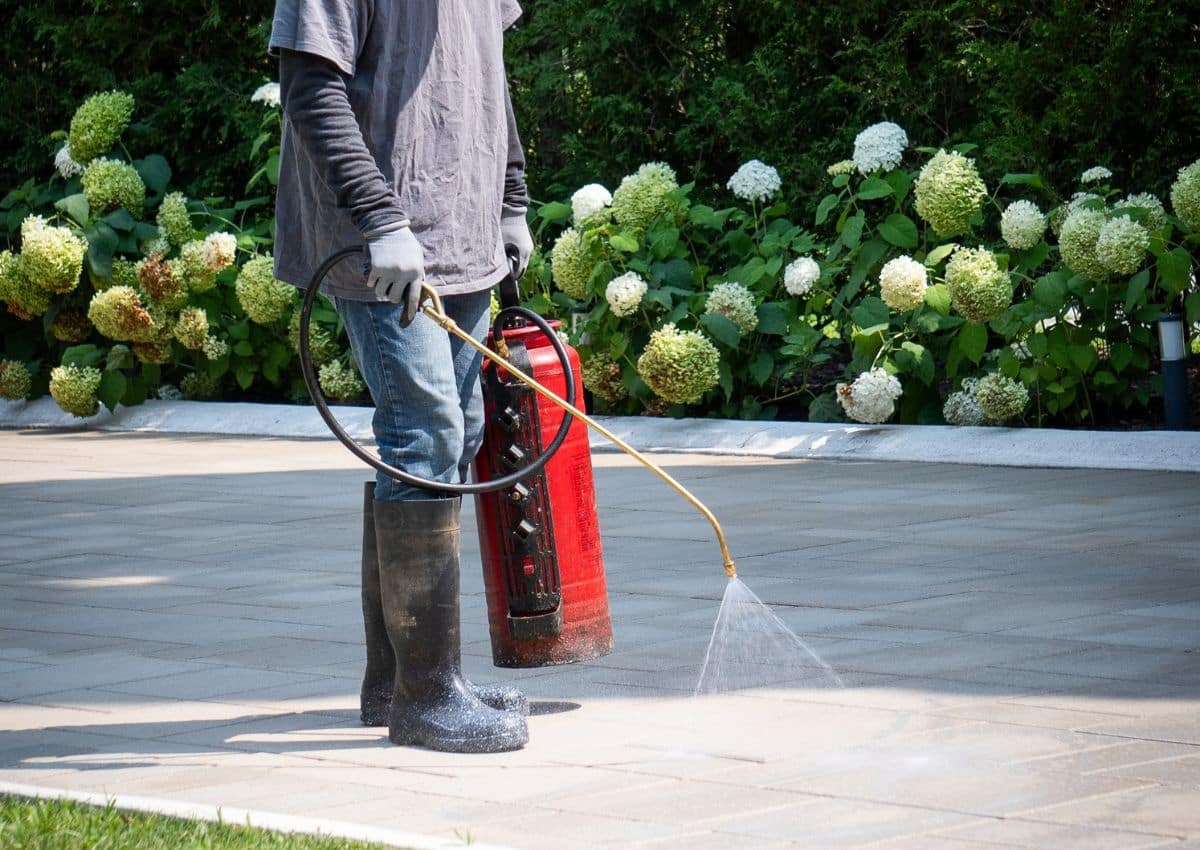
Sealing is an important step in maintaining the appearance and longevity of interlock surfaces, but it is often misunderstood by homeowners. A professional paver sealer is designed primarily to protect and enhance the surface of the stone rather than repair underlying structural issues. When applied correctly, sealing helps enrich the natural color of the pavers, provides a protective barrier against stains and surface wear, and reduces the absorption of water, oils, and dirt. It can also help stabilize the polymeric sand in the joints and make routine maintenance easier by slowing the growth of weeds and minimizing the buildup of debris.
However, sealing is not a structural fix and should never be used as a substitute for proper repairs. If pavers are sinking, uneven, or experiencing pooling water, these problems are typically caused by issues beneath the surface, such as base failure or improper grading. Applying sealer on top of these problems will not correct them and may even lock in existing issues if the surface is not addressed first. In many cases, repairs and joint stabilization must be completed before sealing can be applied effectively.
For this reason, a proper interlock restoration process often involves several steps before sealing, including repairs, thorough cleaning, polymeric sand replacement, and compaction. Once the surface has been properly prepared and stabilized, sealing becomes the final step that helps preserve the work that has been done. Working with experienced professionals such as Seal-It Group ensures that sealing is applied at the right time, using the proper products and techniques, so your interlock surface remains protected, visually enhanced, and easier to maintain for years to come.