Many homeowners are surprised to learn that interlock repair involves much more than simply lifting and resetting a few pavers. A proper repair requires careful diagnosis, skilled labor, specialized equipment, and a structured process to ensure the issue is corrected at its source. The overall cost of a professional interlock repair reflects the level of expertise and the multiple steps involved in restoring the surface properly.
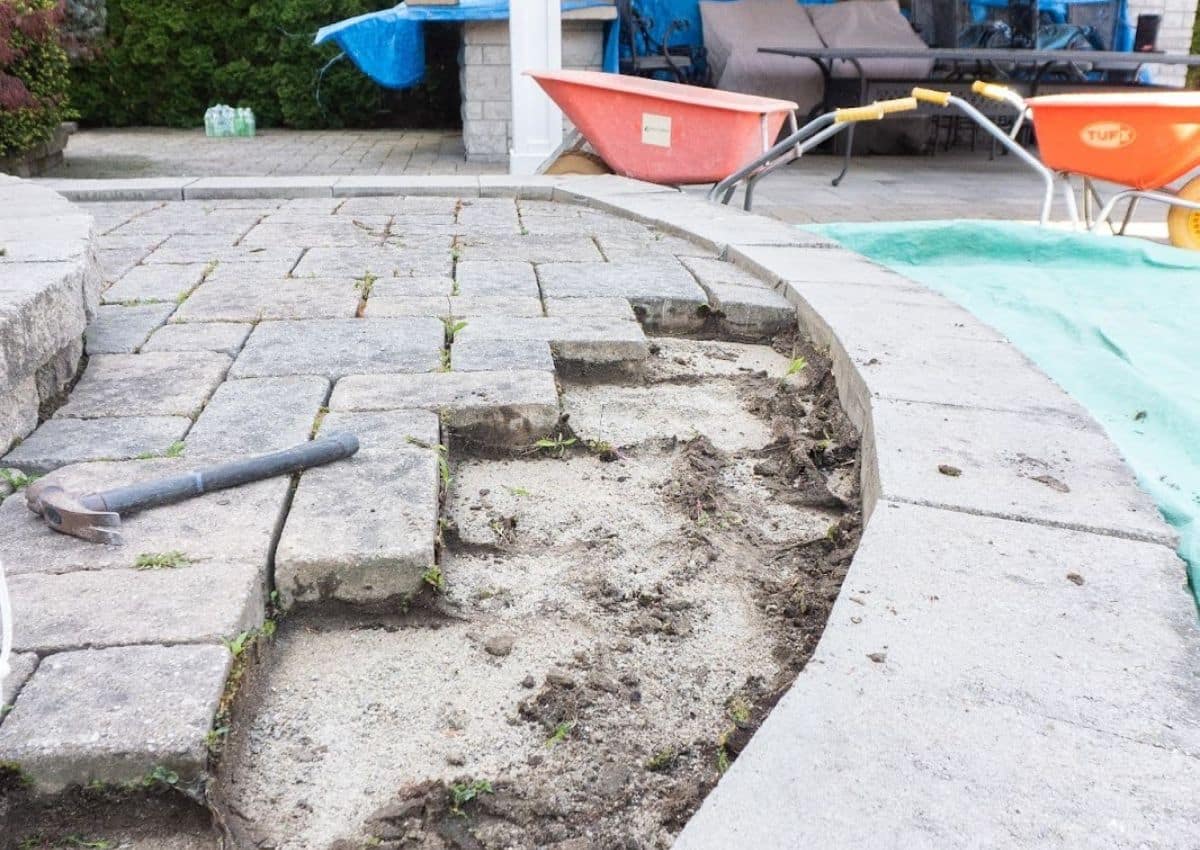
One of the most important factors is diagnosing the root cause of the problem. Issues such as sinking pavers, pooling water, tire depressions, or shifting steps are often symptoms of underlying problems beneath the surface. Identifying whether the issue is caused by base failure, poor compaction, improper slope, or water infiltration requires experience and a thorough site assessment before any work begins.
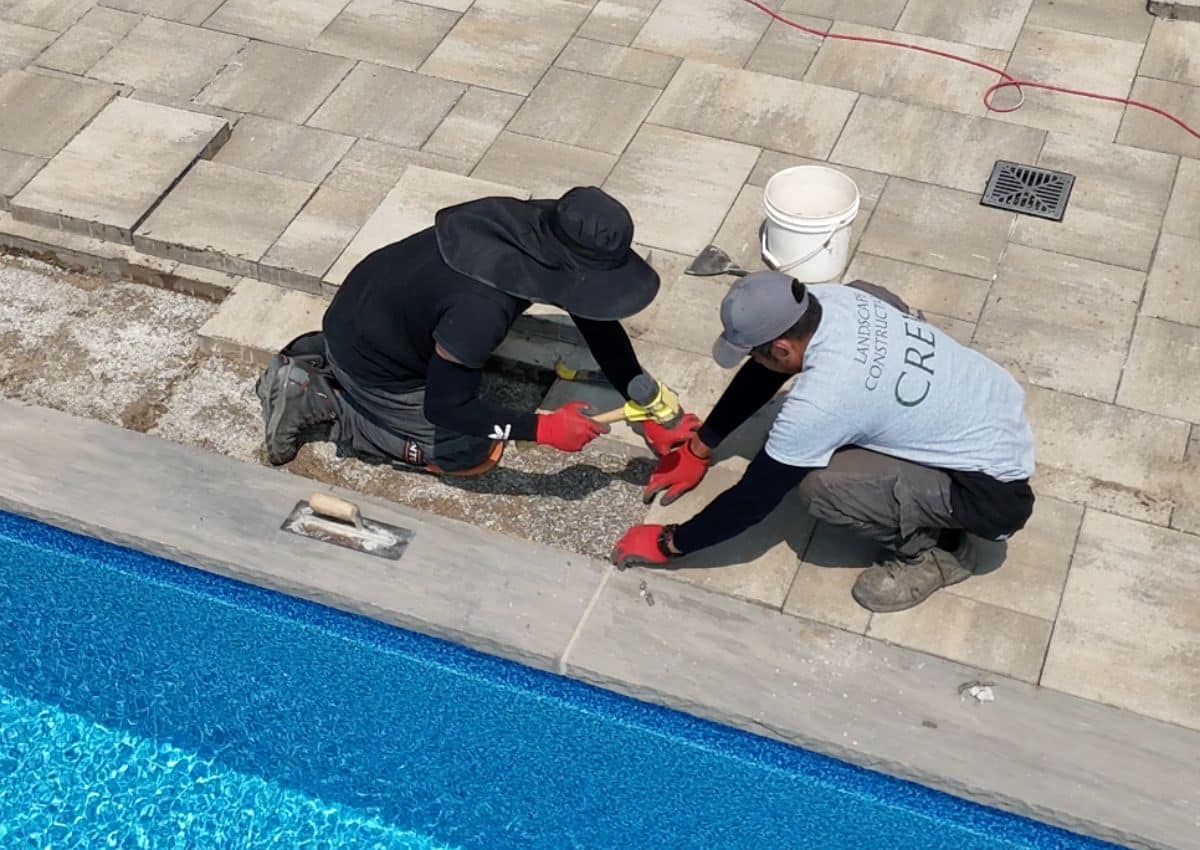
Another major component of the cost is the labor involved in carefully removing and resetting the pavers. Unlike new installations, repairs require lifting the affected sections without damaging surrounding areas, separating and storing the existing stones, and exposing the base underneath. The base material may then need to be adjusted, replaced, or regraded to correct the underlying issue. This stage often includes adding new base material, re-establishing proper slope for drainage, and mechanically compacting the area to restore structural integrity.
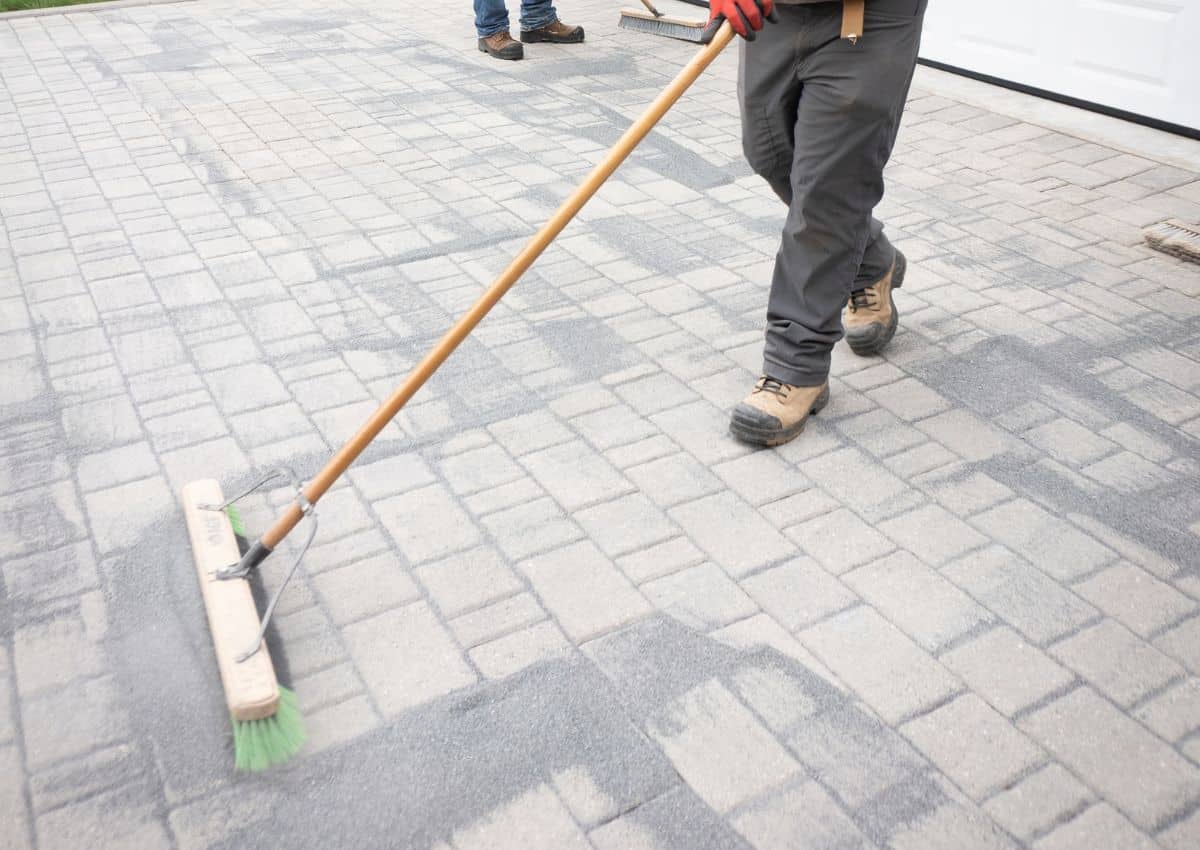
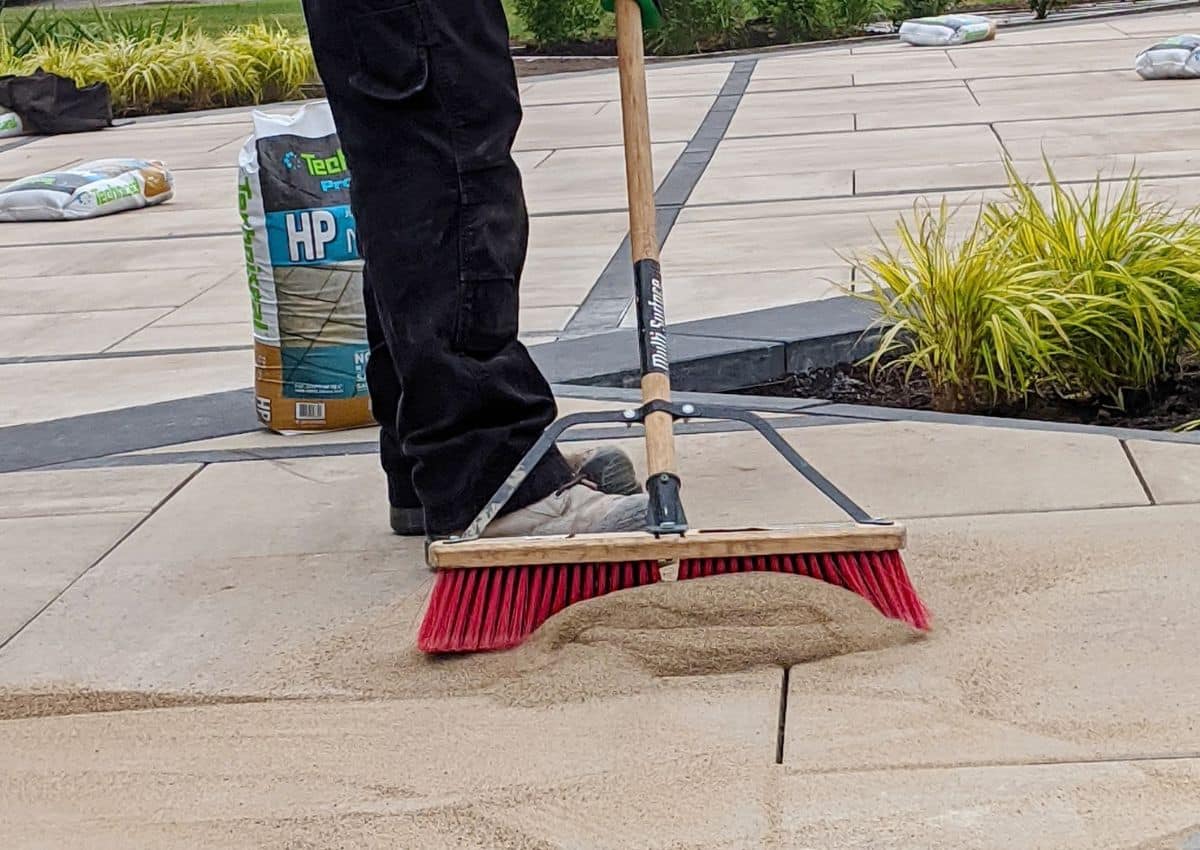
In addition to base repairs, professional restoration projects often include deep cleaning and joint stabilization. This may involve power washing the surface to remove dirt and deteriorated joint sand, installing new high-quality polymeric sand between the pavers, and mechanically compacting the surface so the sand properly settles into the joints. These steps help lock the pavers together and prevent future movement.
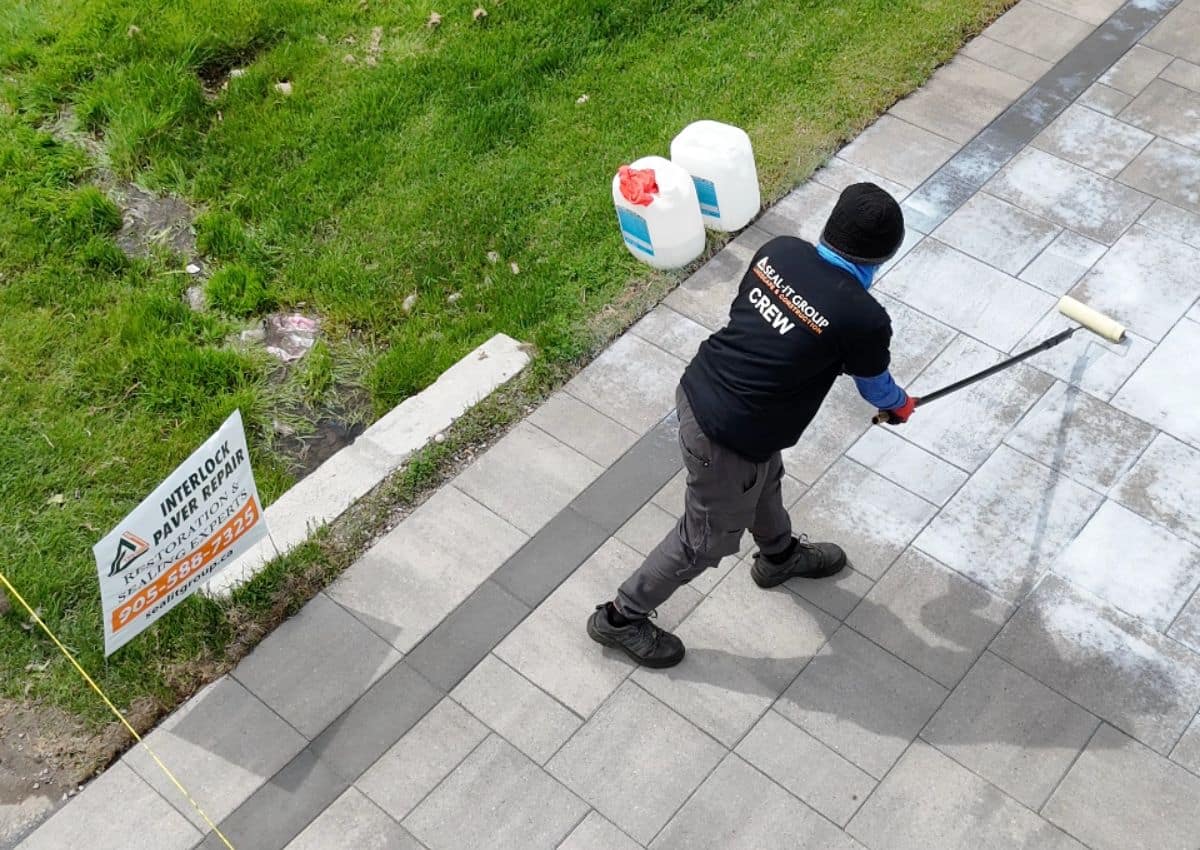
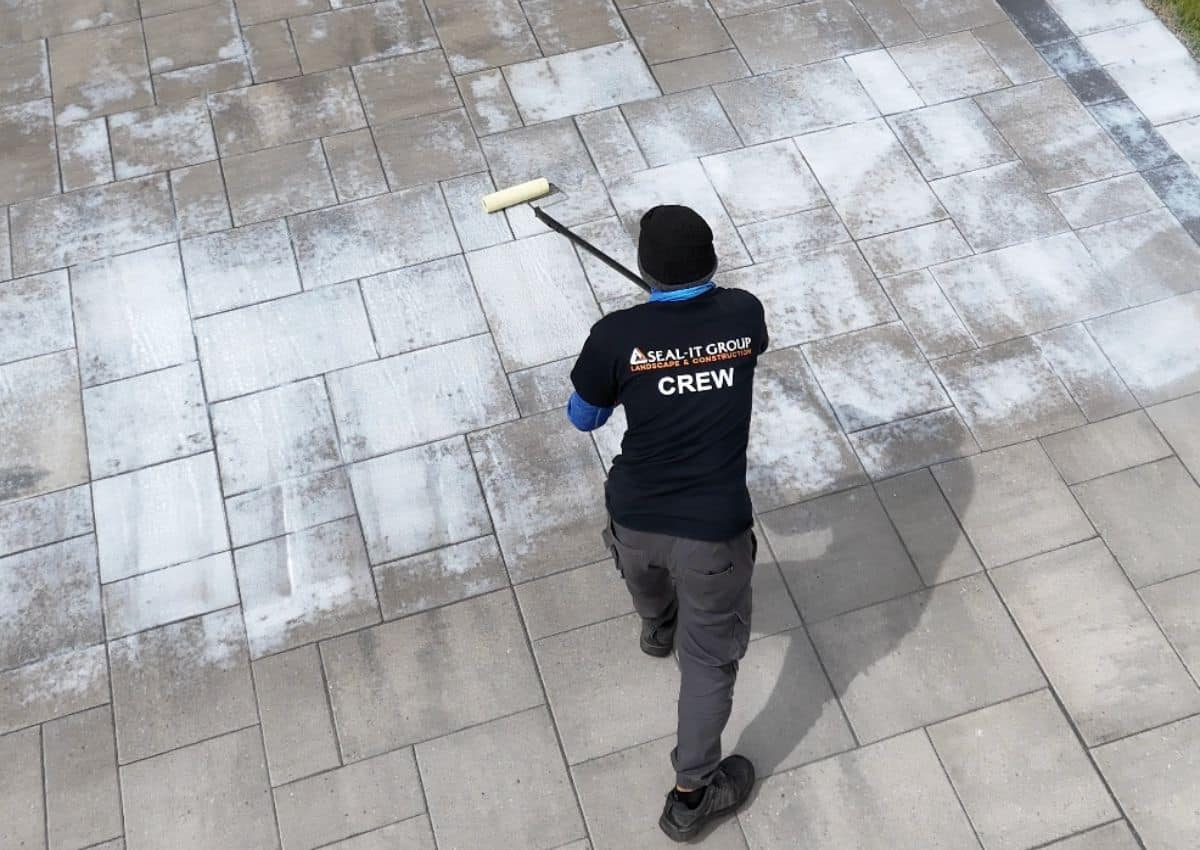
Finally, many homeowners choose to complete the restoration with professional sealing, which enhances the color of the pavers, protects the surface from stains and weathering, and helps preserve the newly restored interlock.
When all of these elements are combined—diagnosis, skilled labor, base correction, cleaning, joint stabilization, and optional sealing—the result is a repair that not only improves the appearance of the surface but also restores its long-term performance. Working with experienced specialists such as Seal-It Group ensures that the work is carried out using the proper techniques, materials, and equipment, helping protect your investment and extend the life of your interlock surfaces.