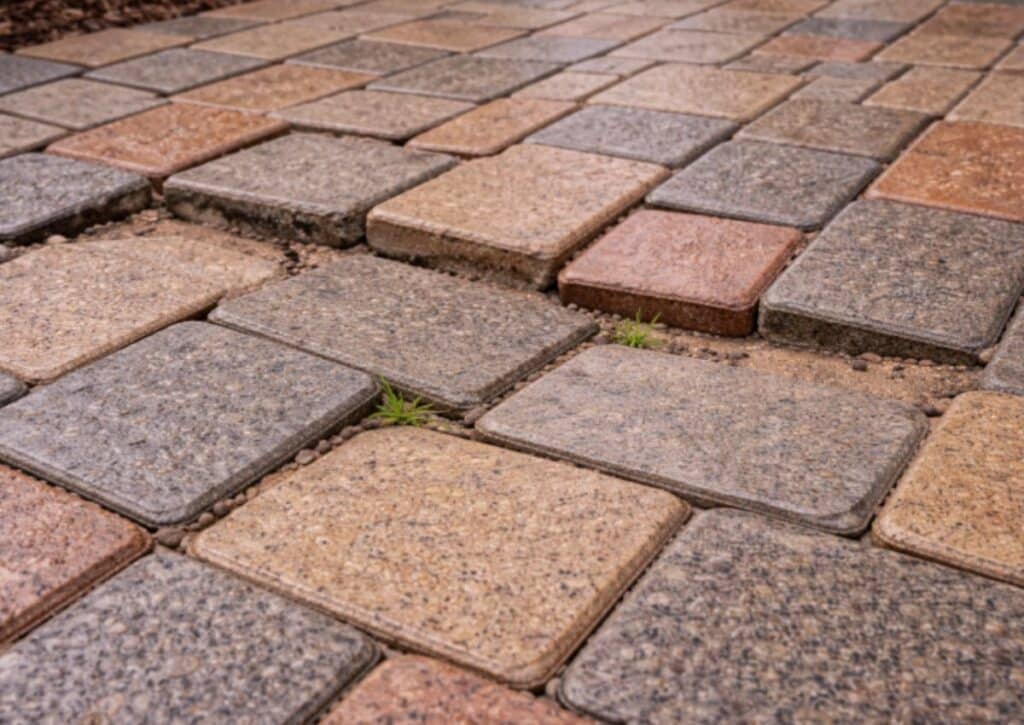
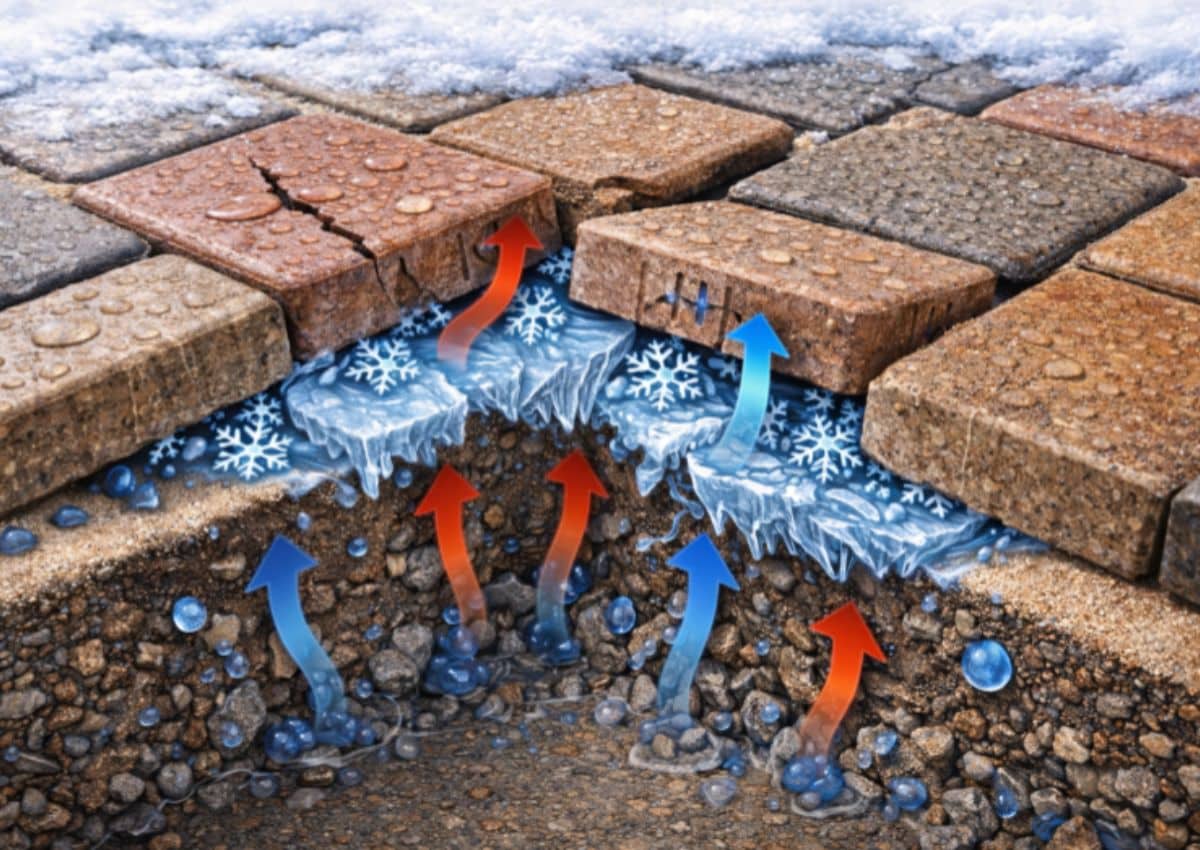
In climates like Southern Ontario, winter weather can have a significant impact on interlock surfaces due to repeated freeze–thaw cycles. When temperatures fluctuate above and below freezing, moisture that has penetrated between the pavers or into the base beneath them expands as it freezes and contracts as it thaws. This constant expansion and contraction can gradually weaken the stability of the interlock system, causing pavers to shift, settle unevenly, or develop low spots over time.
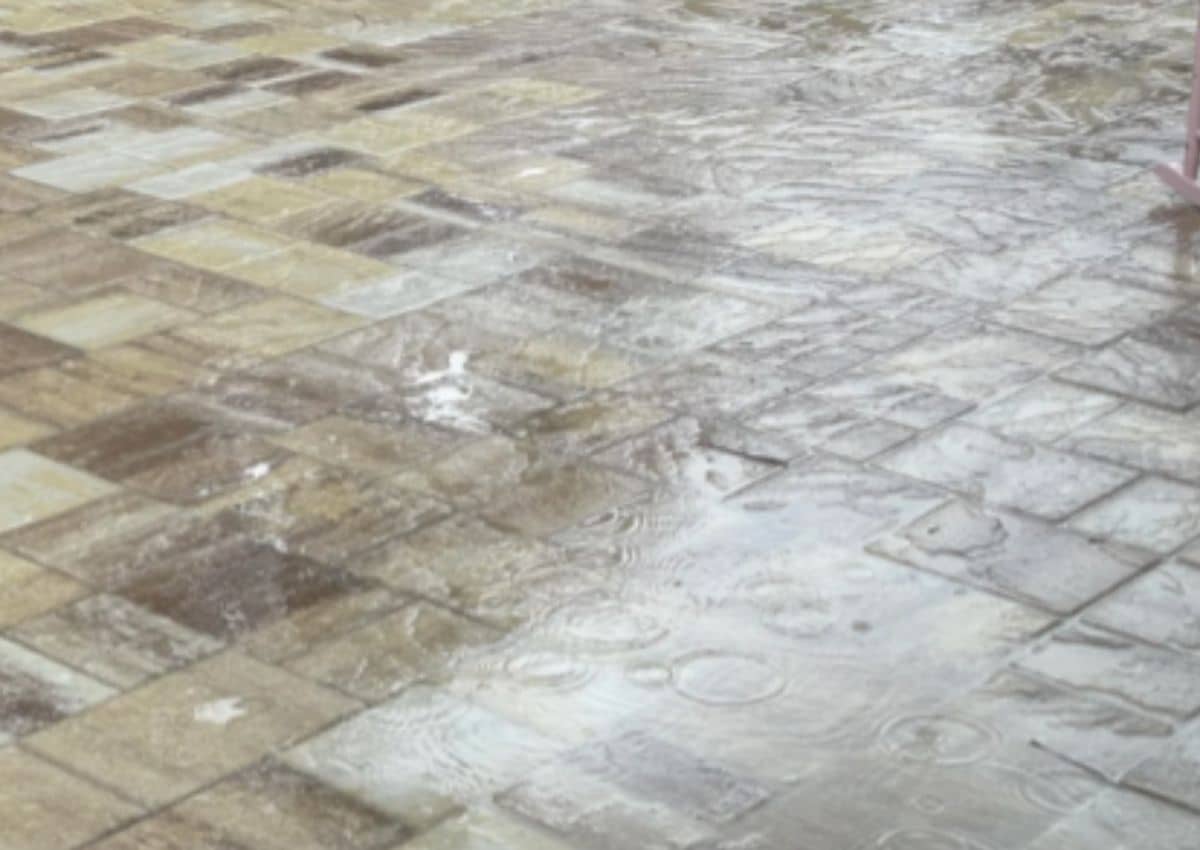
Water infiltration is one of the main contributors to this process. When the joint sand between pavers begins to deteriorate or wash out, it allows more moisture to enter the joints and reach the base material below. As that moisture freezes, it expands and places pressure on the surrounding pavers, slowly pushing them out of alignment. Over the course of several winters, this can lead to common issues such as sinking areas, pooling water, loose stones, and trip hazards.
Proper installation and ongoing maintenance play a key role in minimizing the effects of freeze–thaw cycles. Ensuring that the interlock has the correct base preparation, proper compaction, and adequate slope for drainage helps reduce the amount of water that can accumulate beneath the surface. Regular maintenance, such as replacing deteriorated polymeric sand and addressing minor repairs early, also helps maintain the structural integrity of the interlock and prevents moisture from penetrating the system.
If winter damage has already begun to affect your interlock, it is important to address the root cause rather than simply adjusting the surface stones. Experienced specialists such as Seal-It Group can properly diagnose the issue, correct the underlying problem, and restore the surface so it performs reliably through future freeze–thaw cycles.