When it comes to protecting and maintaining your interlock surfaces, not all sealers work the same way. The two most common types used for pavers are film-forming sealers and penetrating sealers, and understanding the difference can help homeowners make the right decision for their property.
Film-forming sealers sit on the surface of the pavers and create a protective layer, or “film,” over the stone. This type of sealer is commonly chosen when homeowners want to enhance the appearance of their interlock by enriching the natural color of the stone and creating a matte, satin, or glossy finish. In addition to improving the visual appeal, film-forming sealers provide protection against stains, dirt, and everyday wear. Because the sealer forms a protective layer on top of the pavers, it can also help stabilize the joint sand and make routine cleaning and maintenance easier. However, since the sealer sits on the surface, it will gradually wear down over time and typically needs to be reapplied every few years to maintain its appearance and protection. As the sealer begins to deteriorate, it can sometimes flake, peel, or discolor, which may require the existing coating to be properly stripped and removed before a new sealer can be applied.
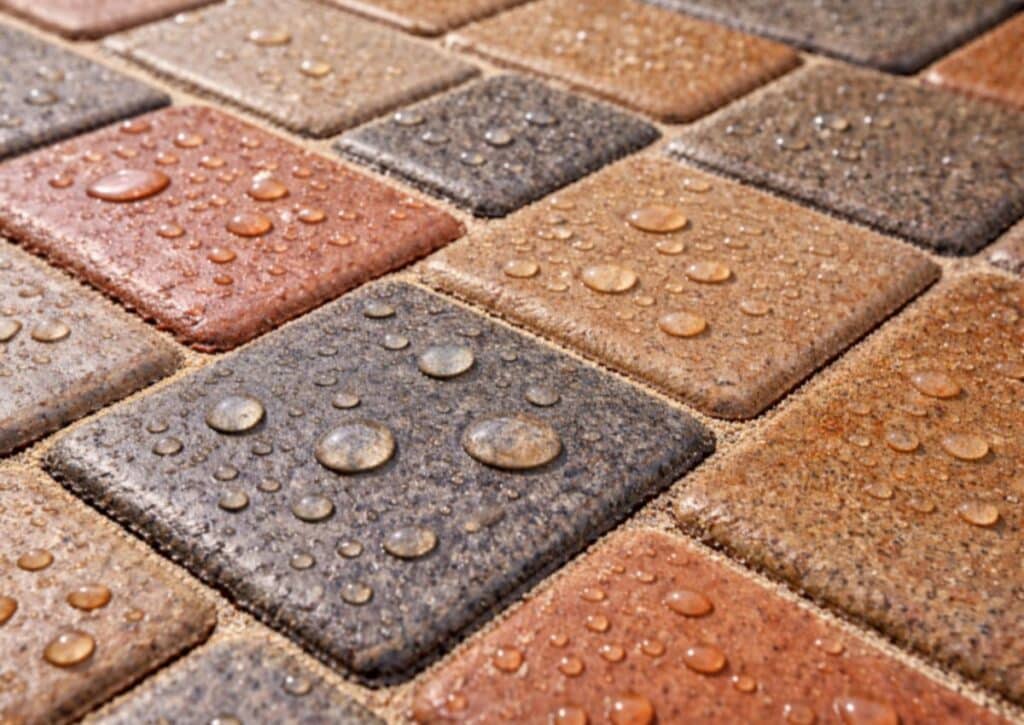
Penetrating sealers, on the other hand, work differently. Instead of forming a surface layer, these sealers are absorbed into the pores of the stone, creating protection from within. This helps reduce water absorption and staining while allowing the pavers to maintain their natural look and texture. Because penetrating sealers do not create a visible surface film, they generally do not enhance the color as significantly as film-forming sealers or produce a noticeable sheen. Their primary benefit is long-term protection while preserving the natural appearance of the stone. As penetrating sealers gradually break down from exposure to sunlight and weather, they tend to wear away naturally within the stone rather than peeling, flaking, or discoloring on the surface.
Choosing between these two options ultimately depends on your goals. If you are looking to enhance the color of your pavers and achieve a richer, finished appearance, a film-forming sealer is often the preferred choice. If you prefer a more natural look while still gaining protection from moisture and stains, a penetrating sealer may be the better option.
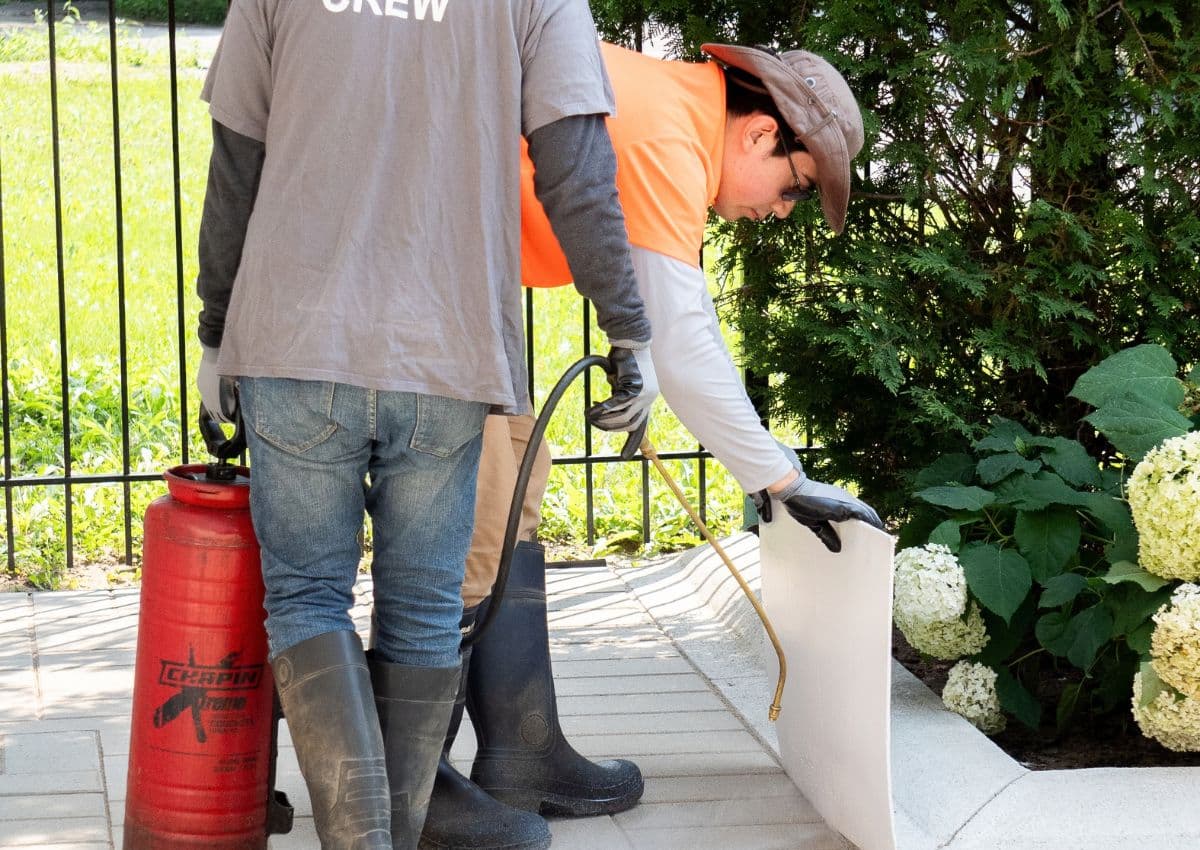
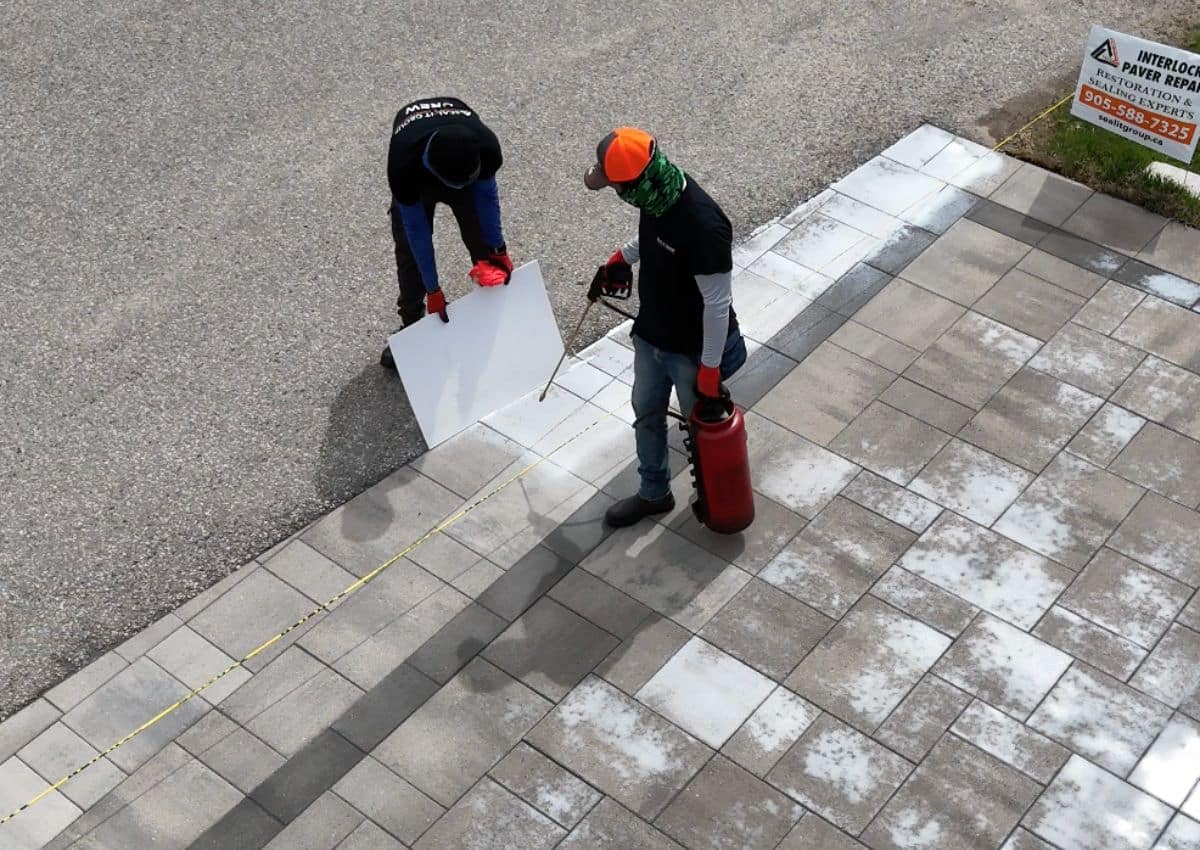
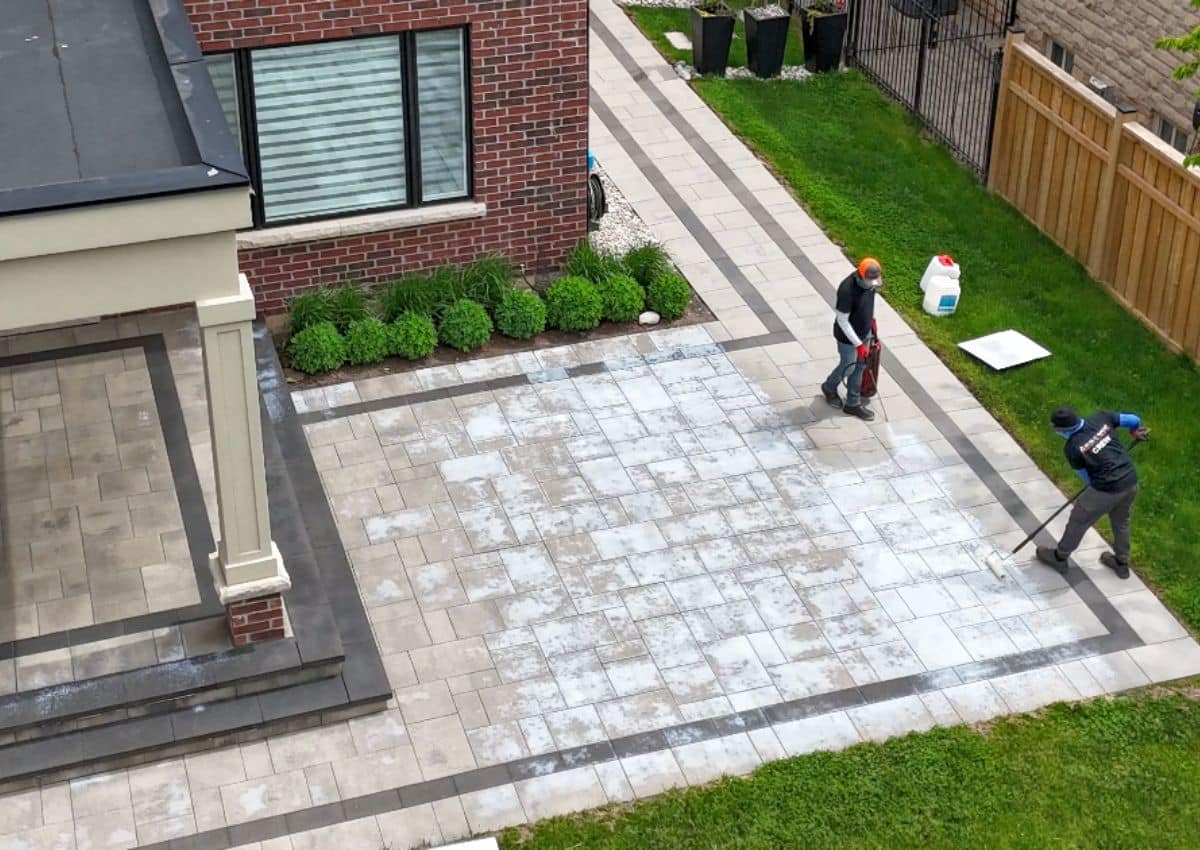
Before any sealer is applied, it is important to ensure the interlock surface is properly prepared. This typically includes thorough cleaning, replacing deteriorated polymeric sand, and addressing any necessary repairs so the surface is stable and ready to accept the sealer. Working with experienced professionals such as Seal-It Group ensures that the correct sealer is selected for your specific surface and applied using the proper techniques, helping protect your interlock while maintaining its appearance and longevity for years to come.